

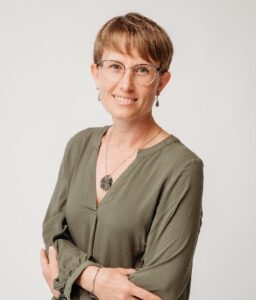
Dr Michelle North
Michelle North is a veterinarian with a strong interest in ecosystem health, ‘One Health’, toxicology, and multi/interdisciplinary problem solving. After completing her veterinary studies at the University of Pretoria, South Africa, she completed a PhD at the University of Calgary, Canada, that evaluated the use of wild birds as sentinels for health effects of urban air pollution. More recently, her postdoctoral research at the University of KwaZulu-Natal, South Africa, which dealt with issues of climate change adaptation, equity in research and publishing, and the use of systematic literature reviews and assessments, highlighted the importance of considering the human/social dimensions of major ‘wicked’ problems when searching for possible solutions. At the same time, her work as a contributing author for the sixth assessment of the Intergovernmental Panel on Climate Change (IPCC) revealed critical knowledge gaps in the interactions between climate change, human and animal health, particularly for Africa. Dr North would

Dr Kevin Queenan
Kevin Queenan is a One Health (OH) Systems Thinking veterinarian and agricultural scientist. Born and educated in South Africa, with a BSc Agriculture (Animal Science) (Pietermaritzburg) and BVSc (MRCVS) (OP), he spent over 20 years as a clinical veterinary surgeon in the UK, before completing the MSc OH (Infectious diseases) in 2014. Since then, he has been employed at the Royal Veterinary College (RVC) as a researcher working on various OH related projects in East and Southern Africa. These have included the impact of zoonotic diseases on livelihoods of Maasai pastoralists in Tanzania, antimicrobial (AM) use and resistance in livestock in Uganda, a OH approach to AM resistance surveillance, a review of methods and metrics for OH surveillance of AM usage, value chain analysis of village poultry systems in Tanzania and Zambia, Foot and Mouth Disease-free beef production at livestock-wildlife interface in Zimbabwe and Tanzania, and a systems approach for the evaluation of OH initiatives (Tanzania case study). Most recently, he completed a PhD part-time whist employed as a post-doc in SHEFS, applying a systems approach to explore the livestock-derived food system in South Africa to identify areas for policy change. Within the RVC, he delivers several sessions for the MSc OH course, focussing on systems thinking, systems modelling, and OH.
Dr Jennifer Wardle
Jennifer Wardle completed an interdisciplinary PhD in Environmental Science in 2021 which focused on the links between food security and access to energy in rural areas of sub-Saharan Africa. Using mixed-methods including social surveys, laboratory analyses and computer modelling, she assessed the potential of reduced-water anaerobic digestion systems to supply adequate household energy as biogas and the potential soil carbon accumulation from bioslurry. She also investigated the effects of anaerobic digestion on antibiotic resistance genes found in the cow dung substate. She is now a research fellow in the School of Biological Sciences at the University of Aberdeen, UK, where she has focused on multiple aspects of small-scale urban food production, from human wellbeing to the physical and chemical properties of soils, linking them to tenant management practices. Her current interests lie in sustainable food production and the impacts of food processing on the environment and human health. Jennifer is a member of the school’s ethical review committee and co-organises events themed around environment, health and food systems to promote interdisciplinary networking across the university’s schools. She also has a background in horticultural work and human wellbeing.
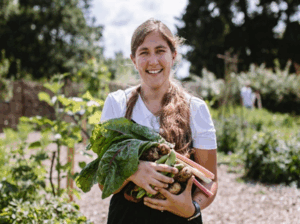
Dr Abbie Chapman
Abbie Chapman is a Postdoctoral Research Fellow in Sustainable Food Systems at University College London in the UK. She is a member of Dr Carole Dalin's Sustainable Food Systems Research Group. Abbie has a mixed background in Geography, Oceanography, and Ecology. Abbie uses her cross-disciplinary skills to quantify trade-offs between people and nature, particularly how people are using the land (and seas) and the impacts of this on biodiversity, local people, and resource availability. Abbie has worked on two interdisciplinary projects investigating trade-offs between food, environment, and socioeconomics in African countries (SENTINEL and SHEFS). For the SENTINEL project, Abbie evaluated the impacts of domestically consumed and traded crops on biodiversity across Ghana, Ethiopia, and Zambia using a new measure of trade-off risk. For the SHEFS project, she and other SHEFS team members quantified the biodiversity pressures associated with the consumption of fruits and vegetables in South Africa, India, and the UK. Abbie has used spatial analysis and trait-based approaches for her PhD and postdoctoral research and is a regular user of GIS software (especially ArcMap) and R. She has given guest lectures for modules in UCL's Institute for Sustainable Resources, as well as contributing to policy briefs, POSTnotes, and other policy-related events. Abbie's publication list is available here: https://scholar.google.com/citations?user=qprn7eEAAAAJ&hl=en
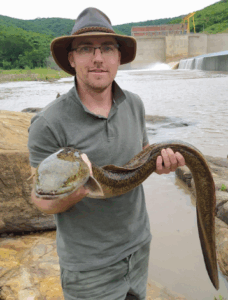
Dr Matthew Burnett
Dr Matthew Burnett is a Principal Scientist at the Institute of Natural Resources and Honorary Researcher at the University of KwaZulu-Natal. Dr Burnett has co-developed the Southern African Inland Fish Tracking Programme (FISHTRAC) and is now applying the programme to water resource management and the conservation of fish in South Africa. He has used technology to develop data collection and simulation of ecological datasets for dissemination to managers. This has included developing data processing and machine learning tools to interpret real-time data for managers. He is involved in river connectivity and restoration projects while using fish telemetry techniques to monitor the efficacy of fishways on instream barriers, removing redundant instream structures and restoring fish populations. He is involved in several social and ecological fishery research projects evaluating the inland fisheries potential of rivers and impoundments with a focus on the conservation of iconic and threatened native fish species and the impact of non-native fish species in the region. He is using environmental DNA (eDNA) to map biodiversity and detect alien invasive species in the river continuum. His focus on the functional diversity of freshwater fishes that provide ecosystem services to rural livelihoods is assisting with research towards the Water, Energy and Food Nexus. His vision is building capacity through education, bringing people to a deeper value of freshwater ecosystems that maintain their livelihoods, and providing scientific evidence to improve how these important ecosystems are managed and protected.
Dr Burnett obtained his PhD from the University of KwaZulu-Natal in 2019. He co-supervised five PhDs, 18 MSc and four Honours students and supervised eight third-year Work in Learning students. These include students across various disciplines, including engineering, computational sciences, and governance, while collaborating with institutions, and government and non-government organisations. He was the UKZN School of Life Sciences Postdoctoral representative. He has established collaborators and published with established researchers in Europe, North America, the United Kingdom, West, East and South-Central Africa. He has managed and /or led applied research since 2017 in aquatic research projects focusing on freshwater ecology, water resource management, rehabilitation, sustainable livelihoods, and telemetry. Government, non-governmental, and international funding organisations have contributed to funding his research. He is advisory to the Dam Removal Africa initiative to restore river connectivity.
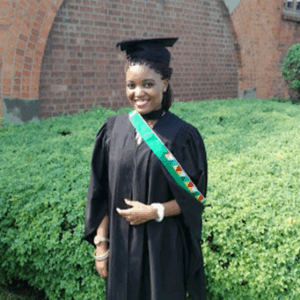
Dr. Simphiwe Hlatshwayo
Dr. Simphiwe Hlatshwayo holds a PhD in food security. She is currently a postdoctoral researcher and ad hoc lecturer at the University of KwaZulu-Natal under the agricultural extension department. Her research interest lies both on food security and agricultural extension, where her research centers on vital aspects such as smallholder farmers' crop productivity, market participation, and the assessment of farmers' food security.
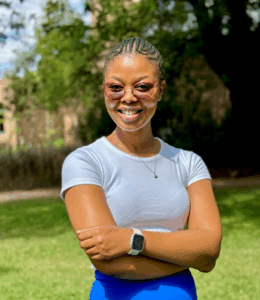
Dr Wendy Geza
Wendy Geza’s journey to her PhD in Food Security began in UKZN’s Agricultural Extension and Rural Resource Management (AERRM) programme. Her research focuses on understanding the role of youth in transforming food systems under climate change. Her interests include youth inclusion in food systems, socio-economic transformation, food systems and food policy analysis. She is a postdoc researcher working on food environments in transitioning economies and their influence on sustainable healthy diets and nutrition. Through her work, her goal is to contribute to transdisciplinary research and development that supports capacity building, inclusion, and equity in the food system environment for marginalised people.
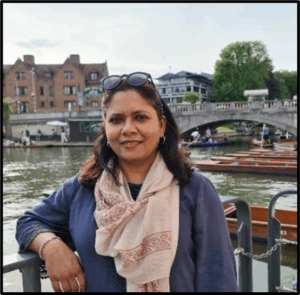
Dr Nafiisa Sobratee-Fajurally
Nafiisa Sobratee-Fajurally is a sub-contractor at the Institute for Natural Resources for the Sustainable and Healthy Food Systems - Southern Africa (SHEFS-SA) project, and Honorary Research Fellow at the University of KwaZulu Natal (UKZN) in South Africa. Nafiisa’s work aims to re-think Monitoring, Evaluation & Learning (MEL) of complex sustainability-focused research projects that are coherent with the complex nature of the challenges facing the world today. Holder of a B.Sc. (Hons) Agriculture with Environmental Science, Nafiisa was awarded a doctoral degree in Bio-Resource Management from the University in Mauritius in 2011. She has subsequently completed several post-doctoral fellowships at the University of KwaZulu Natal over a period of nine years. As a boundary-spanning researcher, Nafiisa’s interests draw on the evolutionary dynamics of systems that provide transdisciplinary insights into the socio-technical conditions under which inclusive and sustainable landscape management can be achieved. To streamline this, she uses systems approaches (causal loop diagramming, the Viable System Model, etc) to co-design evidence-based intervention strategies against programmatic Theory of Change to improve MEL processes so as to better inform policymaking on sustainable diets, Water-Energy-Food nexus, science for People and Nature. Nafiisa was born in Mauritius and is bilingual (English and French). She now lives in England and her last assignment was as a fixed-term consultant for the International Water Management Institute (IWMI) on co-designing sustainable landscape management for West and Central Africa.

Dr Mendy Ndlovu
Mendy Ndlovu just finalized her PhD in agrometeorology. As a PhD candidate, Ndlovu focused on elements of Climate-Crop-Nutrition (and food security) modelling. Ndlovu is committed to equitable community development. Through her research, she hopes to inform policy, help inform necessary transformation towards food justice, sovereignty, and food and nutrition security, particularly in rural areas, in preparation for the challenges posed by climate change.
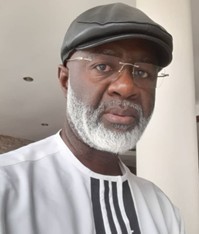
Dr Tamani Nkhono-Mvula
About
I was born and grew up in Lilongwe, Malawi. I did my undergraduate and graduate studies as follows: a Diploma in Rural Development and Bachelor of Agricultural Economics at the University of Malawi. I did my masters degrees in Development Studies and an MBA at the Universities of Sussex and East London respectively. I finished my PhD in Development Studies at the University of Malawi.
About my Research Interests:
I am an institutional ecologist. I study how institutions interact with, and are shaped by, their socio-political, economic, and biophysical environments. At PhD, my research dwelt much on understanding how historically, the process of agrarian change has been as a result of changes in institutional formations. Currently, I study a lot on why policies succeed or fail. That is assessing governance systems and structures and also the general political economy of policy development and implementation. As part the SHEFS-SA, I am working as a post-doctoral fellow at MUBAS. Assessing policy formations in WEFEH nexus in Malawi.
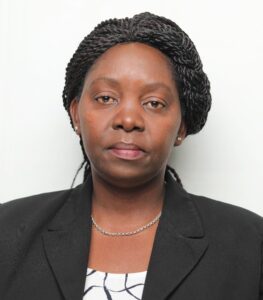
Dr Harriet Jenala Gausi
I am an animal scientist and food systems specialist with vast experience in livestock development, research, and leadership in Malawi. I am a certified Food Systems Leader through the Centre for African Leaders in Agriculture.
I did my BSc (in Agriculture) and MSc (in Animal Science) from the University of Malawi; and PhD from the University of New England, Australia, where I focused on improving local chicken productivity. I have served in government to coordinate livestock production programmes aimed at improving livestock productivity and food security; and contributed to multiple national and international research initiatives.
In SHEFS-SA, I will be conducting a study on: Mapping seasonal beef feed, water and productivity hotspots for climate-smart intervention targeting an integrated smallholder crop-Livestock-Fish systems in the Shire Valley, Malawi. I am excited about this study because I will gain new skills in using GIS and Remote sensing since it will be my first time to use these in a study. I will also learn from other people’s expertise because I will be collaborating with Specialists from different fields.
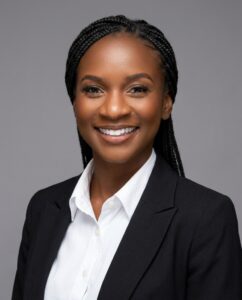
Dr Faith Kiarah Ndunya
Faith Kiarah Ndunya is a communications professional with a Bachelor of Arts in Communication and Cultural Studies, majoring in Public Relations, from the University of Malawi. She is passionate about strategic communication, development communication, and public relations, with experience supporting communication initiatives focused on research, sustainable development, and institutional visibility within academic and development-oriented environments. Faith is currently working as a Communications Specialist at the Lilongwe University of Agriculture and Natural Resources (LUANAR) and as a Communications Intern for the Sustainable and Healthy Food Systems in Southern Africa (SHEFS-SA) Malawi team. Her work involves developing communication materials, supporting stakeholder engagement, content creation, and contributing to communication strategies for impactful development and research initiatives.
She is particularly interested in research communication and using strategic communication as a tool for social change, public engagement, and knowledge dissemination. Faith aspires to contribute to development and policy influence across Africa through effective communication.
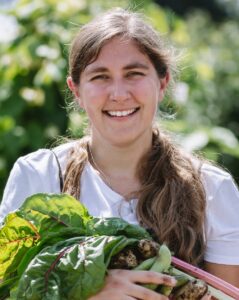
Dr Abbie Chapman
About
I am a UK-based researcher and did my undergraduate studies in Geography with Physical Oceanography, my Masters in Oceanography, and my PhD in Deep-Sea Ecology at the University of Southampton. As a result, I love a bit of mapping to find spatial patterns in data. Outside of work, I enjoy walking our dog, crocheting (including a variety of animals!), going to the beach, and doing a bit of gardening too.
About my research
I have worked at University College London since my PhD as a postdoctoral researcher, first on the cross-disciplinary Sentinel project, which investigated socioeconomic and environmental trade-offs associated with agricultural expansion in Ethiopia, Ghana, and Zambia. I then joined the Sustainable and Healthy Food Systems project to quantify the biodiversity pressures associated with fruit and vegetable consumption in the UK, South Africa, and India. Now, I am concentrating on freshwater fish for SHEFS-SA.
I am perhaps best described as a spatial ecologist. My work considers human and environmental impacts on biodiversity in terrestrial, freshwater, and marine environments, focusing on ways forward for sustainable and responsible development. My work is computational, involving mapping, coding, and modelling.
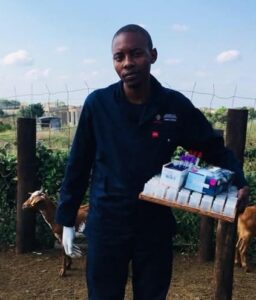
Dr Cresswell Mseleku
About
My name is Cresswell Mseleku I am from a village called Sweetwaters (current residence) in Pietermaritzburg. I am an early career researcher and I have just completed a PhD in Animal and Poultry Science (2024). I did my undergraduate studies at the University of KwaZulu-Natal Pietermaritzburg campus. On my spare time, I usually watch soccer or go fishing, but mostly I spend my time taking care of sheep and goats at home.
About my research
My research interest is on interdisciplinary and multidisciplinary research that consists of animal science, food security, and social science. I am currently working on manuscripts for publication. My supervisors for PhD were Prof. Michael Chimonyo (main), Prof. Rob Slotow, and Prof. Mjabuliseni Ngidi. My line manager is Prof. Mjabu Ngidi. I would like my research work to bring solutions and innovations that will influence policymakers and the government to create sustainable and healthy food systems.
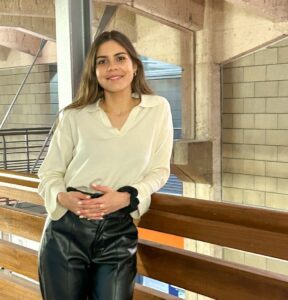
Dr Anouk Reuzé
About
I am from Paris originally. I trained as a food engineer before moving into public health, where I completed a PhD in Nutritional Epidemiology at Université Sorbonne. I am currently a Research Fellow, working across the Planetary Health and Nutrition groups. I enjoy many different things, including long, meandering conversations (2–3pm is prime time for distraction) and running as a way to catch up. I also perform impressively poorly at pub quizzes.
About your research
My research focuses on the intersection of food systems, health, and sustainability, with a particular interest in sustainable diets, dietary behaviour change, and the environmental impacts of food systems. I seek to understand the complex social, economic, and environmental drivers that shape dietary patterns, moving beyond individual-level behaviours.
More recently, I have adopted a food systems perspective to explore how food systems influence health, sustainability, and equity outcomes. My work is primarily quantitative, drawing on large-scale dietary and food purchase datasets and interdisciplinary approaches to generate evidence that can inform policy and support the transition towards healthier and more sustainable food systems.
Supervisor: Pauline Scheelbeek
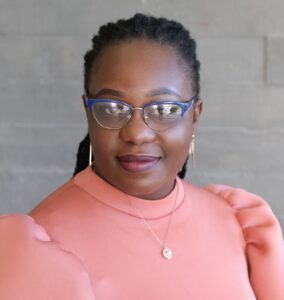
Dr Tanaka Mugabe
Dr. Tanaka Candida Mugabe is a distinguished Social Scientist specialising in Social Justice and Transformation, with significant expertise in the Maritime Sector and Higher Education. She has a foundation in Law with an LLB from the University of Fort Hare. Her current work is focused on addressing the pressing issue of climate change within the various Sector, using research to challenge homogenous practices by examining the complex relationships between the Environment, Culture, and Society. Dr. Mugabe’s research is deeply rooted in exploring climate justice, sustainability, and the transformative potential of these intersections. She has recently joined the University of Zimbabwe as a SHEFS-SA Post-doctoral fellow to support in the sustainable livelihood workstreams and Community of Practice.
Her scholarly contributions include authoring Chapter 16, "Poverty and unemployment," in ‘A reader on selected social phenomena’ (Seventh Edition, 2022, Van Schaik Publishers), where she examines socio-economic disparities in the context of South Africa. She has also contributed Chapter 10, "Just Adaptation and Climate Justice: Possibilities for youth development in rural South Africa," in “The Climate Crisis and Climate (in)Justice in Southern Africa” (2023, Taylor and Francis, Routledge), highlighting pathways for climate justice and youth empowerment in rural communities.
In addition to her research, Dr. Mugabe is committed to mentoring postgraduate students and teaching, in order to foster critical thinking and action-oriented solutions in the areas of climate change, social justice, and sustainable development.
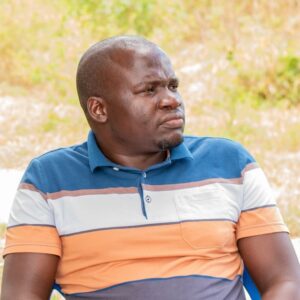
Dr Cuthbert Taguta
About
I did my undergraduate studies in agricultural engineering at the University of Zimbabwe; my MSc in Water at the Pan African University Institute of Water and Energy Sciences (including Climate Change) [PAUWES, Algeria]; and my PhD in agricultural engineering at the University of KwaZulu-Natal.
About your research
I aspire to be a systems integrator who contributes to addressing interconnected societal challenges by developing integrated solutions that multiply gains for people, the planet, and prosperity. My particular interest is in water and energy management for agricultural production.
My track record includes, among others, using integrated approaches to understand complex human-nature systems, developing and applying integrated nexus analytic tools, co-developing publications on integrated resource management, and capacity building for the water-energy-food (WEF) nexus in different programs and platforms.
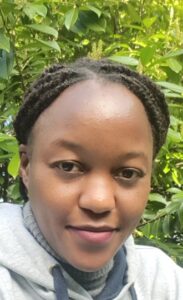
Dr Beaula Mutonhodza
About
I am very much a “what you see is what you get” kind of person. I am passionate about public health nutrition, an interest that has grown and evolved from high school through to my PhD. Taking different forms along the way, and spanning different fields of work across the food industry, the humanitarian sector, and now academia. I enjoy learning, sharing knowledge, and putting ideas into practice.
About your research
I am interested in the links between climate change, nutrition, and food systems, and in how evidence can better inform policy and practice. I focus on climate-sensitive nutrition mapping and diet optimization for sustainable, healthy diets, while working to strengthen the use of data in decision-making.
I am keen on maternal and child nutrition and am passionate about advancing climate-resilient approaches and supporting evidence-based public health policy.
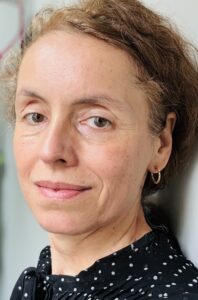
Prof Barbara Häsler
Barbara Häsler, Professor in Agrihealth, is a researcher and educator at the Royal Veterinary College (RVC) in London, UK, with expertise in One Health, animal health economics, evaluation, surveillance, and livestock food systems. She uses interdisciplinary and systems approaches that allow integrating economic, social and epidemiological aspects in One Health challenges to provide more sustainable and balanced health and food system outcomes. She has a primary degree in veterinary medicine, a dissertation in veterinary epidemiology, a PhD in animal health economics, and certificates of higher education in economics and education. Barbara has managed and participated in various research projects with national and international partners (including SHEFS) and held several grants in the field of Agrihealth/One Health. Her research portfolio focuses predominantly on livestock and fish food system and how they can be changed taking into account multiple desirable outcomes including animal and public health, food safety, food and nutrition security and sustainability. Her educational responsibilities include programme/module design and delivery of lectures, exercises and seminars combined with supervision, coaching and tutoring related mainly to interdisciplinary food systems teaching, veterinary public health, and economics of One Health at various levels. She also works as a consultant for the Food and Agriculture Organisation of the United Nations (FAO) as a One Health Science and Evidence lead being actively involved in One Health learning, exchange, and governance activities.