


Coordination and Day-to-Day Project Management
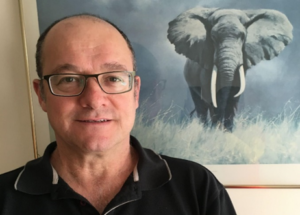
Prof Rob Slotow
Rob Slotow is Professor at University of Kwazulu-Natal, South Africa, and Honorary Professor at University College London. Rob focuses on applied research that can be translated into practical solutions, working on conservation of large mammals, biogeography of invertebrates, land-use planning for environmental sustainability, and environmental contribution to achieving SDGs. He leads large, transdisciplinary projects, including the Durban Research Action Partnership, with Ethekwini Municipality (DRAP), and the Wellcome funded Sustainable and Healthy Food Systems – Southern Africa (SHEFS-SA). DRAP undertakes co-developed, co-implemented work to enhance sustainable environmental decision-making and development decisions in the face of climate change. SHEFS-SA addresses climate change and health, and examines the agriculture, environment, poverty and health nexus, at the regional, national, and local level (focusing on resource poor communities in the rural, per-urban, and informal urban settings). After obtaining his PhD in California, and several Post-Doctoral Fellowships, Rob joined the University of Natal as a lecturer in 1996. He was promoted to Full Professor in 2007, and is a Fellow of UKZN, and a member of ASSaF. He served on the UKZN executive for 8 years. He has served on a number of Ministerial Panels, and assists government at National, Provincial and Municipal level. Rob is the Oppenheimer Fellow in Functional Biodiversity, to catalyse socio-ecological research and mentor emerging researchers. Rob is co-chair of the IUCN-SSC African Elephant Specialist Group. Rob has graduated 40 Masters and 27 PhD students, and published over 300 peer reviewed papers and book chapters.
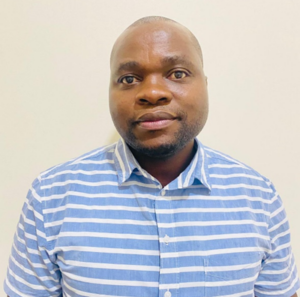
Prof Mjabuliseni Ngidi
Mjabu Ngidi is a Food and Nutrition Security expert. Mjabu serves as an Associate Professor at the University of KwaZulu-Natal, teaching and supervising across the disciplines of Agricultural Extension, and food and nutrition security. Mjabu also currently serves as the Academic Manager of the Sustainable and Healthy Food Systems Southern Africa (SHEFS-SA) programme. After finishing his PhD, Mjabu went to do his post-doctoral studies at the University of Pretoria’s Institute for Food, Nutrition and Wellbeing. Mjabu holds an MSc-Agric degree and also a degree in Microbiology and Biochemistry from the University of KwaZulu-Natal.
Mjabu is committed to being engaged in research that brings solutions to real-life challenges. His current work examines how impoverished populations mitigate hunger and starvation while analyzing existing food and nutrition security policies and their impact on Diets and health outcomes. This research supports South Africa's strategic investments in agriculture, food and nutrition security, and Sustainable Development Goals initiatives, including agricultural extension, poverty reduction, hunger alleviation, and production systems improvement.
His research focuses on household resource economics, rural development, youth in agriculture, food environments, food and nutrition security, household consumption, consumption and income shock coping strategies, livelihoods, food policy, food systems and climate change’s resilience strategies. Mjabu has also developed interest in livestock, fisheries and their contribution to health, food and nutrition securtiy outcomes.
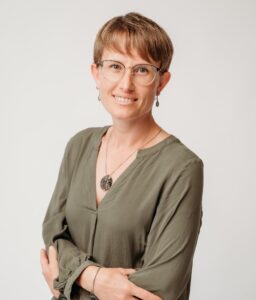
Dr Michelle North
Michelle North is a veterinarian with a strong interest in ecosystem health, ‘One Health’, toxicology, and multi/interdisciplinary problem solving. After completing her veterinary studies at the University of Pretoria, South Africa, she completed a PhD at the University of Calgary, Canada, that evaluated the use of wild birds as sentinels for health effects of urban air pollution. More recently, her postdoctoral research at the University of KwaZulu-Natal, South Africa, which dealt with issues of climate change adaptation, equity in research and publishing, and the use of systematic literature reviews and assessments, highlighted the importance of considering the human/social dimensions of major ‘wicked’ problems when searching for possible solutions. At the same time, her work as a contributing author for the sixth assessment of the Intergovernmental Panel on Climate Change (IPCC) revealed critical knowledge gaps in the interactions between climate change, human and animal health, particularly for Africa. Dr North would like to apply her diverse experience to the exploration of these nexuses in her future research.

Dr Mendy Ndlovu
Mendy Ndlovu just finalized her PhD in agrometeorology. As a PhD candidate, Ndlovu focused on elements of Climate-Crop-Nutrition (and food security) modelling. Ndlovu is committed to equitable community development. Through her research, she hopes to inform policy, help inform necessary transformation towards food justice, sovereignty, and food and nutrition security, particularly in rural areas, in preparation for the challenges posed by climate change. Mendy is the coordinator and research team member of the Sustainable and Healthy Food Systems – Southern Africa (SHEFS-SA).

Mrs Sibongile Buthelezi
Sibongile's research explores access to nutritious food in rural and informal urban areas, focusing on the movement of people and food between these regions and the impact of circular migration on food consumption. Currently, Sibongile collaborates with various communities to strengthen climate resilience and promote the adoption of adaptation tools. Her key goal is to empower communities to integrate Indigenous knowledge and scientific approaches in responding to natural disasters
Sibingile’s research interest lies in the documentation of adaptation tools of different communities and their perceptions regarding climate resilience, what they do before, during and after disasters.
Administrator & Media
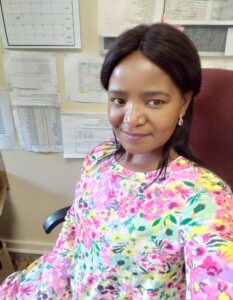
Mrs Precious Nciliba
Precious Nciliba is the Administrative Officer for Sustainable and Healthy Food Systems – Southern Africa (SHEFS-SA) Program. As an Admin Officer, Precious manages overall functions of the program/ project. All general day to day tasks such as HR related duties, Finance, Procurement and Travel bookings. Keeping track of the spending and ensuring that the the rules and regulations are adhered to. Precious is the Administrative Officer on other transdisciplinary projects, including the Durban Research Action Partnership, with Ethekwini Municipality (DRAP), Oppenheimer Fellowship in Functional Biodiversity in partnership with Oppehneimer Trust, COGTA Post Docs in partnership with the KwaZulu-Natal Department of Cooperative Governance and Traditional Affairs.

Mrs Sphesihle Duze
Sphesihle Duze is a Media and Communications Liaison Officer at SHEFSSA (Sustainable and Healthy Food Systems Southern Africa), where she plays a key role in translating complex scientific research into accessible and engaging content for diverse audiences. Based in South Africa, she is passionate about strategic communication, science communication, digital media, and stakeholder engagement.
She holds a Bachelor of Social Sciences from the University of KwaZulu-Natal, majoring in Media Studies and Dramatic Performance. She recently graduated cum laude with a Postgraduate Diploma in Marketing Management from the University of Cape Town, further strengthening her ability in strategic marketing, brand communication, and audience engagement.
In her role at SHEFSA, Sphesihle manages communication initiatives across multiple platforms, including social media, websites, community engagement channels, and events. She handles developing and sharing content, enhancing the visibility of research and development initiatives, coordinating communication activities, and fostering meaningful engagement with audience.
Institutional Leads
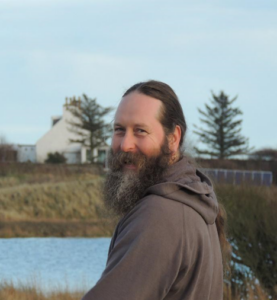
Prof Pete Smith
Pete Smith is Professor of Soils and Global Change at the Institute of Biological and Environmental Sciences at the University of Aberdeen (Scotland, UK) and Science Director of the Scottish Climate Change Centre of Expertise (ClimateXChange). His interests include climate change mitigation, soils, agriculture, food systems, ecosystem services modelling and nature-based solutions. He has been a convening lead author on many reports of the Intergovernmental Panel on Climate Change (IPCC) and the Intergovernmental Science-Policy Platform on Biodiversity and Ecosystem Services (IPBES). He is a Fellow of the Royal Society of Biology, a Fellow of the Institute of Soil Scientists, a Fellow of the Royal Society of Edinburgh, a Foreign Fellow of the Indian National Science Academy, a Fellow of the European Science Academy, and a Fellow of the Royal Society (London). Pete has published >680 peer-reviewed journal papers with total citations of >60,000 (>116,000 on Google Scholar). These papers have received >1000 citations per year since 2010 and >8000 per year since 2022. Web of Science H-index is 129 (171 on Google Scholar). He has been a Highly Cited Researcher each year since 2014, for the past four years in the fields of both Environment & Ecology and Agricultural Sciences.
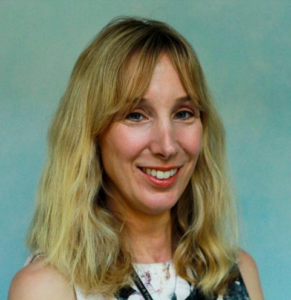
Prof Rosie Green
Rosie’s research focuses on the links between climate change and human health with a special focus on food systems. She is currently co-leading the Pathfinder Initiative project exploring health impacts of global actions to mitigate climate change, which has just reported its initial results in a Lancet Commission. She is a co-investigator on the GCRF South Asia Nitrogen Hub, the PAICE project exploring carbon mitigation in G7 countries and the Visibilize4ClimateAction project researching health impacts of climate change in Kenya. Rosie joined LSHTM in 2011 following her PhD in epidemiology and was promoted to Professor in 2022. She is Co-Director of the LSHTM Centre on Climate Change and Planetary Health which co-ordinates interdisciplinary research relating to climate change and health and also organises outreach and engagement activities. She is also Head of the Planetary Health Group at LSHTM. In 2020 she was on the scientific panel for the UK Climate Assembly which reported back to the UK government with policy recommendations for reaching net zero by 2050, and her work has also fed into the UK Food Strategy.
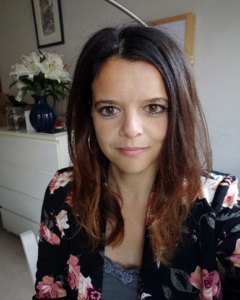
Prof Pauline Scheelbeek
Pauline Scheelbeek is an Associate Professor in planetary health & nutritional epidemiology at the London School of Hygiene & Tropical Medicine and the Director of the WHO Collaborating Centre on Climate Change, Health and Sustainable Development. The research of Pauline and her team focusses on discovering healthy, sustainable, resilient and realistic solutions that will accelerate transformational food system change, especially in the Global North. Currently she leads the Accelerating Behaviour Change towards Sustainable and Healthy Diets in Europe (ABC-SHEADE) project, co-leads the multi-country Sustainable and Health Food Systems (SHEFS) project in the UK, India and South Africa, leads the Digital Evidence Synthesis Tools for Climate and Health (DEST) project and until recently co-led the Food system Adaptations in Changing Environments in Africa (FACE-Africa) project in the Gambia. Pauline is an active STEM ambassador and frequently organises public engagement activities for school aged children in the UK and sub-Saharan Africa around environment, nutrition and health issues.
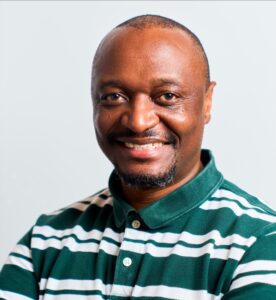
Prof Tafadzwanashe Mabhaudhi
Prof Tafadzwanashe Mabhaudhi is a globally recognized researcher, boundary spanner, and science advocate, working on complex water, energy, food and environmental systems at the interface of science, policy, and society. He has a track record of scientific leadership, capacity building and building partnerships needed to achieve outcomes and impacts from research, development and innovation. His goal is to work on research and development that informs policy, equality and transformation in Africa (and beyond). He is a Professor of Climate Change, Food Systems and Health at the London School of Hygiene and Tropical Medicine and Director of the Institute for Natural Resources (NPC) in South Africa, and an Honorary Professor at the University of Nottingham (Malaysia) and the University of KwaZulu-Natal (UKZN) in South Africa. Previously, he was the Research Group Leader for Sustainable and Resilient Food Systems at the International Water Management Institute and the Director of the Centre for Transformative Agricultural and Food Systems at UKZN. He holds strategic roles in various advisory committees and panels and is an editor of several high-impact journals. He holds a B.Sc. Agriculture Honours in Crop Science from the University of Zimbabwe, M.Sc. in Agric. Crop Science and PhD in Crop Science from UKZN. He has experience in research, development, capacity building and building partnerships across academia, public and private sectors, civil society, and communities. Tafadzwa has experience initiating, developing, leading and carrying out research for development on sustainable food systems, global environmental change and the water-energy-food nexus using multi- and transdisciplinary approaches. He has experience with project development, including donor engagement, applying good project management practices, and disseminating research results to key knowledge users and constituencies.
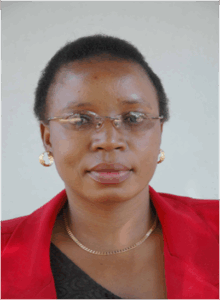
Prof Maud Muchuweti
Maud Muchuweti is Professor of Biocemistry at University of Zimbabwe. Her research interests include: Indigenous foods: Medico-nutritional properties and utilisation, Biological natural products and Water and sanitation. Maud managed to attract funding for projects as follows: United nations Universities Institute of Natural Resources in Africa (UNU-INRA), Nutritional Composition and Utilization of wild plant foods, W.K.Kellogg Foundation : To Create Awareness of Wild Plant Foods thereby preserving Biodiversity, Applying Food Multi Mix Concept on Traditional Wild Plant-based Foods: Funded by Development Partnerships in Higher Education (DelPHE) programme of the British Council, Norwegian Development Agency (NORAD), through the special programme, “Norwegian Programme for Capacity Building in Higher Education and Research for Development (NORHED)” to Launching and Strengthening Capacity at a Centre for Environmental Sustainability Research & Training (CESRT) in the Southern African Development Community (SADC) region, Council for Assisting Refugee Academics (CARA) and GCRF Interdisciplinary Award: Improving resilience and nutrient retention of leafy vegetables for improved health in Southern Africa. In SHEFS- SA Maud will work on profiling nutritional and anti-nutritional properties of drought resistant crops including bioavailability of nutrients. Maud obtained Doctorate degree in Biochemistry from the University of Zimbabwe in 1995 and then appointed to the position of Lecturer in the Department of Biochemistry. Maud was appointed to the position of Chairperson of the Department of Biochemistry from 2001 to 2008 and then Executive Dean of the Faculty of Science from 2009 to 2021. She has published 60 articles in refereed journals. Maud has supervised 10 PhD and 20 MSc students.
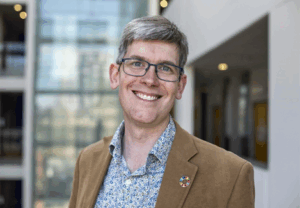
Dr Christian Reynolds
Dr Christian Reynolds is an expert in food loss and waste, sustainable diets, and food policy. He has researched and addressed these issues globally and has published extensively. He has provided evidence to parliaments and played a role in developing standards for food loss and waste accounting. His recent work focuses on citizen science, sustainability in the UK food system, and the environmental impact of public procurement. Currently, he is leading a project on reducing plastic packaging and food waste through product innovation simulation. He is also involved in a project investigating the effects of food taxes on the entire food system. He has previously held positions at WRAP where he worked on international food sustainability and integrating healthy sustainable eating and food waste reduction policies. Additionally, he has collaborated with global partners such as the World Bank, NRDC, and WWF.

Dr Liveness Jessica Banda
Dr Liveness Jessica Banda is an Associate Professor in Animal Science and Programmes Coordinator at Lilongwe University of Agriculture and Natural Resources (LUANAR) in Malawi where she has been working for over 22 years. She has a PhD in Animal Genomics and Disease Resistance obtained from University of Edinburgh, United Kingdom; MSc in Animal Science and BSc in Agriculture obtained from the University of Malawi. She is involved in teaching, research, outreach and consultancy in animal science and related rural development programs. She teaches various courses related to animal physiology, production systems and general livestock production. Her research interests are in livestock reproduction, physiology, livestock farming systems, sustainable food systems in relation to socio-economic development and climate change. Liveness has previously served as a head of Animal Science Department in addition to serving in various other leadership and teaching positions and committees at LUANAR and elsewhere. She currently serves as a reviewer for institutions and some journals and is a board member for several organisations She is an alumnus of African Women in Agricultural Development (AWARD) and Borlaug Fellowships and a member of the Malawi AWARD (MAWARD) Chapter. She recently participated in the Fulbright visiting scholar program where in USA. She has been principal investigator, team leader and projects coordinator for various research projects and consultancies. Research projects she has led include, Rethinking health - Innov8Health (One Health for Development), Sustainable Food systems in Malawi (FoodMa), Community-Based Breeding Program for Goats, and Frugal Innovations Practicum in Urban Food Market Systems.
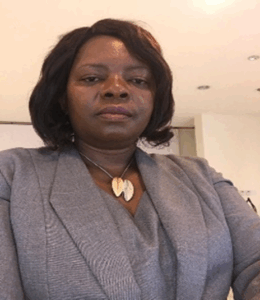
Prof Theresa Mkandawire
Theresa Mkandawire is a Professor and a Registered Civil Engineer with over 25 years’ experience at university level, specializing in water and sanitation. She is currently working at Malawi University of Business and Applied Sciences (formerly University of Malawi – The Polytechnic). She is an accomplished scholar with experience in teaching, research, resource mobilisation, leadership and consultancy. Theresa also has experience in managing projects targeted at low-income countries for different development partners. Apart from lecturing, Theresa has undertaken various consultancies nationally and internationally, in the area of water and sanitation, including development of water and sanitation policies for Malawi Government. She is a Founding member of Women in Engineering in Malawi and has been supporting and motivating girls and boys in Science, Technology, Engineering and Mathematics (STEM). She is the country Coordinator of a number of projects including Global Water Partnership - Malawi, a local chapter of the Global Water Partnership and Africa Sustainable Infrastructure Mobility (ASIM) project, which aims at building sustainable infrastructure in Africa through postgraduate capacity building. I hold or have held several other public offices including serving as the Secretary General of the Africa Engineering Deans Council (AEDC), Council member for Mzuzu University, Senate Member for Malawi University of Science and Technology, and 1st Vice President of the Malawi Institution of Engineers. She is currently a Board member for Malawi National Water Resources Authority.
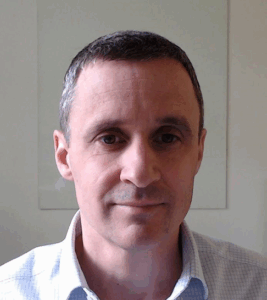
Prof Richard Pearson
Richard Pearson is Professor of Ecology and Associate Director (Research) for the Division of Biosciences at University College London. Richard is a member (and former Director, 2018-2022) of UCL’s Centre for Biodiversity and Environment Research (CBER), which is within the Department of Genetics, Evolution and Environment. He completed his Doctorate at the University of Oxford in 2004 and from 2005-2013 was a research scientist at the American Museum of Natural History in New York. Richard has been identified one of the world’s most Highly Cited Researchers in the field of Environment/Ecology. His research focuses on how biodiversity responds to environmental change, including climate change, and on evolutionary biogeography. He is a coinvestigator and workstream lead on the Wellcome Trust-funded Sustainable and Healthy Food Systems – Southern Africa (SHEFS-SA) project. Richard also teaches biodiversity and conservation biology to undergraduate and master's students. As Associate Director (Research) for the Division of Biosciences, Richard contributes to the development and delivery of strategic research objectives across the Division, which is a community of over 500 staff and 300 PhD students. In his former role as Director of CBER, he led a vibrant community of around 30 staff and 30 PhD students. Richard is on the editorial board of the journal Global Change Biology, is a member of the IUCN Species Survival Commission Climate Change Specialist Group, has been a contributing author for the Intergovernmental Panel on Climate Change, and is a member of the UK Natural Environment Research Council’s Peer Review College.
Collaborators
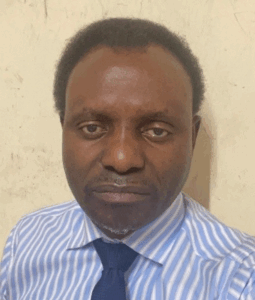
Dr. Alexander Kalimbira
With a PhD from the University of Guelph in Canada, Dr. Alexander Kalimbira is an Associate Professor of Human Nutrition at Lilongwe University of Agriculture and Natural Resources (LUANAR) where he holds a tenured position since 1996 and heads the Department of Human Nutrition and Health. His research focusses on infant and young child nutrition, micronutrients, integrated nutrition approaches, and overnutrition and non-communicable diseases. Presently he hold grants from USAID and Bill and Melinda Gates Foundation through the University of Nottingham. He has published more than 40 research papers and has consulted widely for local and international organisations, United Nations agencies, and the Government of Malawi. He has supervised or co-supervised more than three dozen MSc and six PhD students. He has reviewed for several journals published by BioMed Central (UK); Agriculture and Food Security (UK); International Journal of Consumer Studies (United Kingdom); Public Health Nutrition (UK); Nutrition Journal (UK); American Journal of Tropical Medicine and Hygiene (USA); AJFAND, the African Journal of Food, Agriculture, Nutrition and Development (Kenya); and Malawi Medical Journal (Malawi). Dr. Kalimbira is Board Chair of the Association of Dietitians in Malawi, is a Member and Trustee of the Nutrition Society of Malawi, and is a member of the Nutrition Policy Advisory Team in Malawi. He is a multi-award winner locally and internationally in several categories, including Vice Chancellor’s Excellence in Resource Mobilization Through Consultancy (LUANAR: 2022); Excellence in Teaching and General Support to Staff and Students (LUANAR: 2016); Second Place Best Senior Scientist Oral Presentation on Nutrition Research (Nutrition Society of South Africa: 2008, 2010); First Place Nestlé Nutrition Graduate Student Award of Excellence (Canadian Society for Nutritional Sciences: 2007).
Dr. Geoffrey Mudolole Simeon Chavula
Dr. Chavula is an Associate Professor in the Department of Civil Engineering at Malawi University of Business and Applied Sciences (MUBAS). He is a Fellow of Leadership for Environment and Development (LEAD), and Member of the International Association of Hydrogeologists (IAH). The following are some of the positions in which Dr. Chavula served in the past: Junior Scientist, Large Lakes Observatory (LLO), University of Minnesota, Duluth, USA; Member of the Regional Technical Committee, Global Water Partnership - Southern Africa (GWP-SA); Director of Centre for Water, Sanitation, Health and Appropriate Technology Development (WASHTED) at MUBAS; Director of the Shire River Basin Agency, under the Shire River Basin Management Programme; and Regional Hydrogeologist (C), Ministry of Irrigation and Water Development. His areas of research interest include: Integrated Water Resources Management (IWRM); Hydraulics and Engineering Hydrology; Water, Sanitation and Hygiene (WASH); Disaster Risk Reduction (DRR); Limnology of African Great Lakes; and Climate Change and Green Environment. Dr. Chavula has a Ph.D. in Water Resources Science obtained from the University of Minnesota (Twin Cities and Duluth campuses), USA; a Master of Science Degree in Water Engineering obtained from Newcastle University, UK; and a Bachelor of Science Degree in Physics and Earth Sciences from the University of Malawi.

Professor Busisiwe Ncama
Professor Busisiwe Ncama is Deputy Vice-Chancellor and Head of UKZN’s College of Health Sciences. She previously held the title of Dean and Head of School: Nursing and Public Health, and prior to this, as a Senior Lecturer in the Discipline of Nursing. Prof Ncama obtained a Bachelor of Advanced Nursing degree from UNISA in 1996, a master’s degree in nursing in 2000 from the University of Natal, a PHD in Health Sciences from UKZN and in 2016, a master’s in business administration also from UKZN.
Prof Ncama is currently a member of the Sustainable and Healthy Food Systems – Southern Africa (SHEFS-SA) programme, funded by the Wellcome Trust’s Climate Research Partnerships, which is a multi-partner, Global South-led research programme led out of the University of KwaZulu-Natal in South Africa, with collaborators in the United Kingdom, Zimbabwe and Malawi to ensure regional policy impact. Her research focusses on how best to deliver community level care to people in general and vulnerable groups, especially those in informal workplace settings such as minibus taxi industry.
Professor Muthulisi Siwela
Muthulisi Siwela is a Professor in the School of Agricultural, Earth and Environmental Sciences at the University of KwaZulu-Natal (UKZN), South Africa (SA). He began his academic career after obtaining an MSc in Food Science (University of Pretoria [UP]) in 2000. He has served at UKZN since 2004, during which he obtained a PhD in Food Science (UP) in 2009 and was promoted to Senior Lecturer, Associate Professor and Full Professor in 2011, 2018 and 2021, respectively. His research interest lies in promoting the utilisation and valorisation of locally available and affordable traditional and indigenous food plants that are rich in nutrients (especially protein and micronutrients) and phytochemicals, as well as other affordable sources of protein, including insects. The main goal is to contribute to improving food and nutrition security and wellbeing, as well as wealth creation among communities of the developing regions, especially sub-Saharan Africa. Muthulisi has been PI, co-PI and Research Collaborator of several multi-disciplinary research projects, which were funded by national and international agencies, including Agricultural Research Council (ARC)-SA; Water Research Council (WRC)-SA; National Research Foundation (NRF)-SA; Bill and Melinda Gates Foundation; International Fund for Agriculture (IFAD). He has completed the supervision and co-supervision of 27 Masters and 18 PhD students, mentored 4 Postdocs and several emerging academics. He has facilitated training workshops for postgraduate students at the Durban University of Technology, University of South Africa and UKZN. He has examined more than 60 Masters and PhD theses. He has co-authored more than 95 articles in peer-reviewed journals.
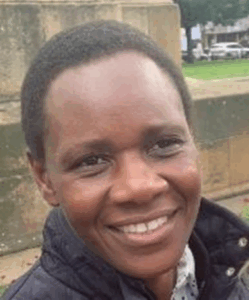
Dr Farisai Chidzwondo
Farisai Chidzwondo is a Senior Lecturer and Chairperson in the Department of Biotechnology and Biochemistry, Faculty of Science at the University of Zimbabwe. Farisai focuses on using indigenous knowledge, to make the most of under-utilized plants that grow in diverse geo-climatic regions in Zimbabwe. As a molecular biologist on the SHEFS-SA project, she will use molecular techniques to improve soil health, monitor water quality, detect foodborne diseases and reduce zoonotic transmissions. The diverse gene pool from underutilised and neglected crops and animals will be maximized to improve the health and production of crops and livestock while taking measures to conserve and maintain the rich gene pool. Farisai obtained her PhD at the University of Zimbabwe in 2006 and has served in the Department of Biotechnology and Biochemistry as a lecturer and researcher since then. She has co-supervised 2 PhD students, supervised/co-supervised 18 Masters and 41 undergraduate students, and published over 20 peer-reviewed papers.
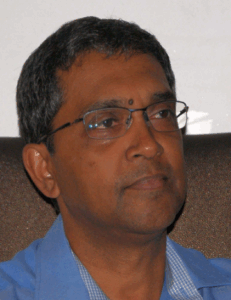
Prof Rajen Naidoo
Rajen Naidoo, a Professor and Head of Department in Occupational and Environmental Health at the University of KwaZulu-Natal, has been in academic research for about 25 years. His areas of research focus on occupational and environmental respiratory diseases, particularly as a result of workplace exposures or ambient air pollution, and more recently on weather related health effects, with projects funded by major national and international agencies, including the National Research Foundation, US National Institutes of Health and the European Union. He has over 120 peer-reviewed publications, with presentations at several international conferences. He is an Associate Editor the International Archives of Occupational and Environmental Health and the Journal of Occupational Medicine and Toxicology, as well as on the Editorial Board of the American Journal of Industrial Medicine and Environmental Epidemiology. He received his postgraduate training in occupational medicine at the University of Cape Town, and his doctorate at the University of Michigan. He is currently the PI on the Mother and Child in the Environment (MACE) birth cohort, focused on the impacts of ambient and indoor air pollution on the respiratory health of children. He has previously been the PI on several large air pollution and respiratory health studies in South and southern Africa, funded by international and national agencies.
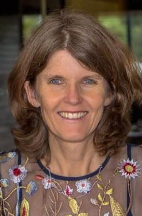
Prof Cathy Sutherland
Cathy Sutherland (PHD) is a Professor and geographer in the School of Built Environment and Development Studies at the University of KwaZulu-Natal, South Africa. She conducts research on environmental governance and the interface between social, environmental and technological systems, with a focus on resilience sustainable development. Her work has shifted to Disaster Risk Reduction and inclusive climate resilience given the impacts of the recent floods in Durban. She worked predominantly in informal settlements and peri-urban areas across the city.
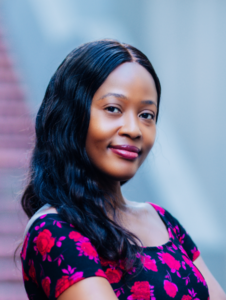
Dr Zama Msibi
Zama is from Durban South Africa. Outside of academia, she enjoys hiking, reading, philanthropic work, and spending time in nature. She is actively involved in her church community and values opportunities for reflection, wellness, and meaningful community engagement.
Zama Msibi is a neuroscientist and Lecturer in the School of Medicine at the University of KwaZulu-Natal (UKZN). She obtained her PhD in Physiology at UKZN. Her research focuses on Parkinson’s disease, gene therapy, neuroinfections, and cognitive decline across a range of neurological and mental health disorders. Her work explores mechanisms underlying neurodegeneration and innovative therapeutic approaches, with a particular interest in translational and multidisciplinary neuroscience research. She is also involved in research examining the effects of climate change on cognitive and mental health outcomes in children, with an interest in understanding how environmental stressors may influence neurodevelopment and psychological wellbeing in vulnerable populations.
Dr Kenneth Joseph Gondwe
Dr Kenneth Joseph Gondwe holds PhD in Industrial Management from The University of Malawi (UNIMA)-The Polytechnic, renamed the Malawi University of Business and Applied Sciences (MUBAS) where he is a Senior Lecturer in Mechanical Engineering. Dr. Gondwe is a Fellow of Leadership for Environment and Development (LEAD). Dr. Gondwe has been involved in many multidisciplinary consultancies, research and projects for over 20 years in the fields of climate change management (GHG emissions inventory, mitigation and adaptation), energy, industrial processes, waste management and health. He is the current national team leader for national GHG emission inventories. He was also the climate change expert in the preparation of National Adaptation Programmes of Action (NAPA) and National Adaptation Plan (NAP) for health. He also contributed to the development of Malawi’s Nationally Determined Contributions (NDCs). He has also been involved in feasibility studies, baseline studies, project management, community/stakeholder engagement and mobilisation, working with local government structures and capacity building. Before joining the UNIMA, he worked for Unilever as a Factory Manager for 6 years. Thereafter, he worked as a Senior Research Officer and later as Director of Technical Services for Malawi Industrial Research and Technology Development Centre (MIRTDC) for 10 years.
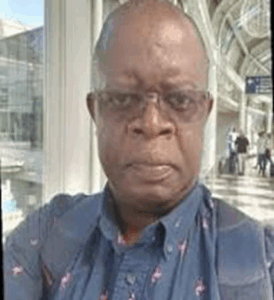
Prof Maxwell Mudhara
Professor Maxwell Mudhara is a Full Professor in the Discipline of Agricultural Economics at the University of KwaZulu-Natal (UKZN) in Durban, South Africa. Holding a PhD in Food and Resource Economics from the University of Florida, USA, he joined UKZN in 2005 and assumed the role of the Farmers Support Group director in 2006. Additionally, he co-directs the Centre for Transformative Agricultural and Food Systems (CTAFS). Professor Mudhara specializes in researching the economics of smallholder farming systems. His focus includes analyzing the factors influencing smallholder farmers' technology adoption, examining food security outcomes, assessing the impact of climate change, and formulating policies. Recent areas of interest involve investigating food systems, food environments and the trade-offs between water, energy, and food in smallholder production systems. His research yields policy recommendations aimed at improving rural livelihoods, utilizing quantitative methods such as econometric models to enhance farming systems. Having supervised 18 PhD and 31 MSc students, mentored two Postdoctoral Fellows, and published over 80 research articles, Professor Mudhara co-authored the book "Community Innovations in Sustainable Land Management: Lessons from the Field in Africa," published by Routledge. Since 2022, Professor Mudhara has been recognized as a National Research Foundation (NRF) C2-rated scientist in South Africa. He is a member of the African Association of Agricultural Economists (AAAE) and the Agricultural Economics Association of South Africa (AEASA). Between 2010 and 2012, he served as the Secretary of the Southern and Eastern African Association for Farming Systems Research and Extension (SEAAFSRE) after being a council member from 2005 to 2010.
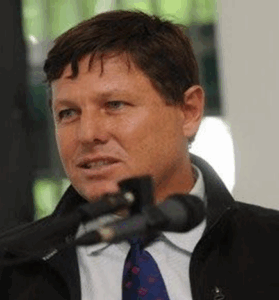
Dr Sean O’Donoghue
Dr Sean O’Donoghue has a doctorate in marine pelagic ecology obtained from UKZN in 2010. In March 2011, Sean joined eThekwini Municipality where he manages the Climate Adaptation Branch. A key work focus is Community Ecosystem Based Adaptation, providing work opportunities whilst adapting to climate change. Sean manages a number of research, inter-city and community partnership projects, including the Transformative River Management Programme.
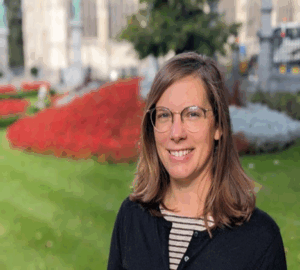
Dr. Carole Dalin
Dr. Carole Dalin is Associate Professor in Sustainable Food Systems at the University College London (UK), and CNRS Research Scientist at Ecole normale supérieure (France). She has been part of the SHEFS project and will also contribute to SHEFS-SA. Carole currently leads the FLORA project, funded by the European Research Council. She is interested in quantifying the environmental sustainability of food systems at the global scale. She focuses on the impacts of crop and livestock production on water resources, biodiversity and climate change. Carole has held a faculty position since 2016. Previously, she worked on climate and the water-energy-food nexus in southern Africa at the Grantham Research Institute on Climate and Environment at the London School of Economics (UK). She obtained her Ph.D. in Environmental Engineering and Water Resources at Princeton University (US) in 2014, on international virtual water trade
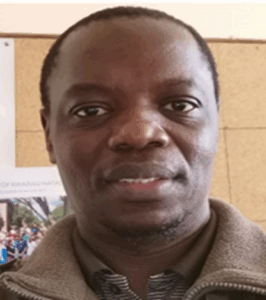
Prof John O. Odindi
John O. Odindi holds a PhD in Environmental Geography from Nelson Mandela University and is a professor and a former Head of Geography and Environmental Science at the University of KwaZulu-Natal, South Africa. His main interests are terrestrial remote sensing with a focus in urban green spaces and urban microclimate using optical, thermal and Radar datasets, remote sensing of vegetation, local and regional carbon modelling, remote sensing of rangeland biophysical and biochemical status and crop health modelling. His current and past projects include drone based high spatial resolution crop phenotyping, United States National Institutes of Health (NIH) and Fogarty International Centre (FIC) Data Science for Global Health and Climate Change, Earth Observation big data Science, Ecosystem/urban heat island nexus using remotely sensed datasets, the integrated pest management strategy to counter the threat of invasive fall armyworm on food security in Eastern Africa (FAW-IPM) and the African reference laboratory (with satellite stations) for the management of pollinator bee diseases and pests for food security. He was selected as one of the 52 African researchers with outstanding contribution to Geo-information and Earth Observation. He is also a Brown International Advanced Research Institute (BIARI) fellow of the Watson Institute, Brown University, Rhode Island, USA. He has published over 150 journal articles and presented at over 45 local and international conferences. He has supervised 8 Post Doctoral fellows and graduated 10 PhDs and 25 masters and examined 86 masters and 18 PhD dissertations. He is a reviewer of several high-profile journals and currently serving as a Guest Editor to the Remote Sensing and the International Journal of Applied Earth Observation journals.
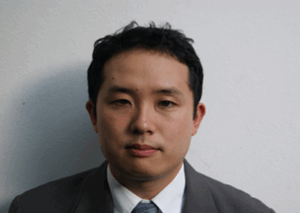
Prof. Andrew Tomita
His research interest is in social epidemiology, focusing on how social determinants influence the relationship between environment and mental health in sub-Saharan Africa. Andrew Tomita was awarded his PhD from Columbia University.
Current Affiliations:
- Associate Professor: School of Nursing and Public Health, College of Health Sciences, University of KwaZulu-Natal, Durban, South Africa.
- Research Associate: KWAZULU-NATAL RESEARCH AND INNOVATION SEQUENCING PLATFORM (KRISP)
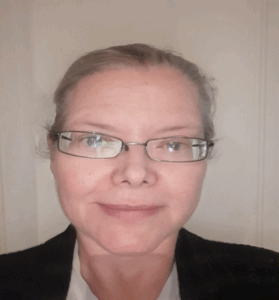
Dr Elizabeth Lutge
Elizabeth Lutge is a public health specialist by training. She is currently the Director for Health Research and Knowledge Management at the KwaZulu-Natal Department of Health, and Chair of the KwaZulu-Natal Provincial Health Research and Ethics Committee. She has a PhD (Epidemiology) from the University of Stellenbosch, and her research interests are social epidemiology, and the ethics of health research.
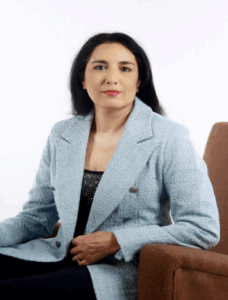
Prof Suvira Ramlall
Suvira Ramlall is an Associate Professor in psychiatry at the University of KwaZulu Natal, SA, heads a public sector specialized psychiatry hospital in Durban and is the immediate past-President of the College of Psychiatrists (CMSA). With three decades of experience in clinical services, undergraduate and postgraduate medical education, research, and with NGOs, she has a pragmatic and person-centered approach to mental health and mental disorders that is sensitive to the local milieu. She was a co-PI on the D43 Fogarty International Centre grant that translated into the DRILL project at the College of Health Sciences, UKZN (2015-2023). Towards optimizing mental health service delivery, she has served on many local, provincial, and national mental health task teams and advisory panels to formulate policies and implementation plans. During the pandemic, she served on the Technical Working Group for the Ministerial Advisory Committee for Mental Health (2022), the provincial and national think-tanks, and provided mental health support through NGOs. She serves on the KZN Technical Advisory Committee for Mental Health, the National Advisory Board for the International Technology Transfer Centre, South Africa (ITTC) and the board of the medical school at UKZN. In addition to scientific publications, she co-edited Talk Therapy Toolkit and authored ‘Inpowerment’ -a workbook for mental and emotional resilience. She graduated with her MBChB at the University of Natal (1990), obtained her Fellowship in Psychiatry through the Colleges of Medicine of SA (1996) and her PhD in psychiatry at UKZN (2013). She supervises Masters and PhD students.
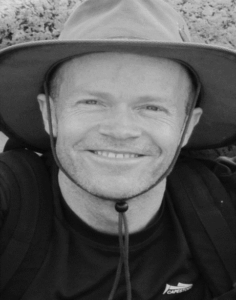
Dr Errol Douwes
Errol is Senior Manager of Restoration Ecology at the eThekwini Municipality in Durban, South Africa. His work focuses on restoring terrestrial ecosystems in and around the city, with a particular emphasis on climate change adaptation and socio-economic development. With years of practical experience under his belt, Errol oversees a diverse range of sites, from pristine natural environments to highly degraded areas. As a seasoned Professional Natural Scientist, an honorary research fellow at the University of KwaZulu-Natal, and an Associate Editor of the Ecological Solutions and Evidence Journal, Errol is a respected expert in the field of restoration ecology. He has published several papers on local ecosystem restoration projects and is dedicated to promoting practitioner-relevant aspects of the field. His research interests include restoration ecology, invasion biology, ethnobotany, and sustainable land management. With a wealth of knowledge and experience, Errol is committed to mentoring others and advancing ecological sustainability in Durban and beyond. His passion for restoring ecosystems and promoting sustainable land management practices is evident in all aspects of his work

Mr Smiso Bhengu
Smiso Bhengu is a Senior Climate Change Scientist from Climate Change Department in eThekwini Municipality. His research interest is in ecosystem services, ecological infrastructure, biodiversity conservation, climate change adaptation and informal settlements. He is currently managing the Durban Research Action Partnership (DRAP) between eThekwini Municipality and University of KwaZulu Natal (UKZN) and Project Manager of the Palmiet Catchment Rehabilitation Project. Through DRAP, he is currently leading the implementation of Educational Partnership for Innovation in Communities (EPIC) programme for Durban and an active member of EPIC Africa. Service delivery and improving living conditions to local communities is the driving force behind his work.

Dr Luxon Nhamo
Dr Luxon Nhamo is a Research Manager with the Water Research Commission of South Africa (WRC), specialising in Agricultural Water Management and transformative and circular approaches for sustainable climate change adaption. He is also an Honorary Researcher with the University of KwaZulu-Natal (UKZN). Dr Nhamo prides himself in working with on transforming the livelihoods of vulnerable smallholder farmers in marginalised areas. He has more than 20 years of progressive research experience spanning three continents (South America, Europe, and Southern Africa). Dr Nhamo has published over 80 internationally peer-reviewed research articles. His research interests include Agricultural Water Management, the Water-Energy-Food (WEF) Nexus, Transformative and Circular Approaches, Environmental GIS and Remote Sensing, and Climate Change adaptation.
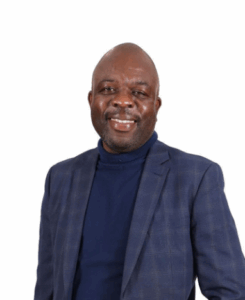
Prof Sylvester Mpandeli
Prof Sylvester Mpandeli (PhD) is an Executive Manager: Water Utilisation in Agriculture at the Water Research Commission (WRC) of South Africa since May 2018, he was a Research Manager responsible for the Water Utilisation in Agriculture Key Strategic Area (KSA) from May 2013 to April 2018. He is an Adjunct Professor at the Faculty of Science, Engineering and Agriculture at the University of Venda since August 2013. He was the Chairman: African Regional Working Group (AFRWG) of the International Commission on Irrigation and Drainage (ICID) from 2014 to 2017 and the Deputy Chairman: South African National Committee on Irrigation and Drainage (SANCID) from 2015 to 2022. In 2022, he was elected Chairman of the South African National Committee on Irrigation and Drainage (SANCID) until 2025. He represents the South African Regional Irrigation Association (SARIA) at the International Executive Council (IEC) of ICID. Currently, he is a board member at the Applied Centre for Climate & Earth Systems Science (ACCESS), Board member at the South African Weather Service (SAWS), he’s part of the Climate Change Advisory team that advises Premier of Gauteng Province in South Africa on climate change, water, and agriculture issues. He was the Chairperson of the Water JPI Advisory Board of the European Commission and co-chairs the NRF – NOW Advisory Committee from 2020 to 2023. He was recently elected as Vice President of the ICID. Before joining the WRC, Prof Sylvester Mpandeli worked at the Department of Environmental Affairs as Director: Climate Change Adaptation Resource Sectors between October 2012 to April 2013. He was also a Specialist Advisor on Climate change Adaptation issues at the same Department for a period of about three years from 2009 to September 2012. He worked at the AgriculturalResearch Council – Institute for Soil, Climate and Water (ARC - ISCW) for 9 years (4 years as researcher focusing on Agrometeorology and then 5 years as a Programme Manager responsible for Climate Change). He worked at the University of Pretoria, Department of Plant Production and Soil Science for two years as a Research Assistant. Prof Sylvester Mpandeli was one of the climate change adaptation negotiators at the United Nations Framework Convention on Climate Change (UNFCCC) representing the South African government from 2006 to 2013. He has earned the following degrees between 1997 & 2006, bachelor’s in agriculture from University of Venda 1997, two honours degrees in Horticulture and Land Use Planning from the University of Pretoria in 1998 & 2002, Master’s degree in Agronomy and Irrigation in 2001 from University of Pretoria, he also obtained Postgraduate Diploma in Research and Development from ICRA in 2004, he obtained his Doctor of Philosophy degree in Climatology from University of Witwatersrand in 2006. He has been involved in Research & Development and Innovation for the past 24 years focusing on Agriculture, Water – Energy – Food Nexus , Agricultural Water Management etc. His particular areas of interests are climate change adaptation, food security, water - energy - food nexus, agricultural water management etc. Prof Mpandeli has published more than 300 scientific papers, book chapters, book technical reports, popular articles and conference/workshop proceedings.
Dr Nikiwe Nomapelo Hongo
Nikiwe Nomapelo Hongo graduated with MBChB in 1989. Worked in various fields of medicine including, amongst others orthopaedic and TB clinic. She studied for a diploma in Project Management and also completed an MBA with Rhodes University in 2009. She worked for 5 years as a Provincial Clinical Manager for an HIV NGO, KhethÍmpilo (formerly known as ARK, Absolute Return for Kids). Relocated to KZN to lead clinical services at a specialised forensic mental health hospital, Fort Napier Hospital in 2012
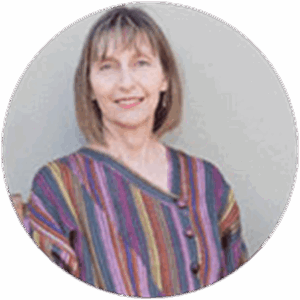
Prof Anna Meyer-Weitz
Anna Meyer-Weitz is currently an Emeritus Professor in the School of Applied Human Sciences at the University of KwaZulu-Natal, Durban, South Africa. She obtained her Ph.D. in Health Promotion from the University of Maastricht in the Netherlands and a Masters in Industrial and Organisation Psychology from UKZN with professional registration as an Industrial Psychologist. She lectured in the Masters of Health Promotion Programme and the MPH programme and is currently module coordinator of the Workplace Wellbeing Module, her previous experience the coordination of the Diploma of Health and Human Behaviour, Dept. of Psychology at the Open Polytechnic of New Zealand and served on a committee of the DHB to develop strategies for Community Healthy Living (2000-2002). The also worked as a chief researcher at the Human Sciences Research Council for over 14 years. Her experience relates to project management of various research projects ranging across various health topics including mental health, healthy lifestyles, food choices etc. and her research experience include the development, implementation and evaluation of different health promotion interventions within a multi-cultural and sustainable development context in various settings e.g. community, schools, hospitals and workplaces. Intervention work in workplaces include specifically health and wellbeing, safety and organisation development. She has been involved in health promotion policy development for National and local Governments and within workplaces regarding HIV and AIDS, Alcohol and Drugs and GBV policies. She has published widely in the area of health promotion with over 120 peer reviewer manuscripts in peer reviewed journals, various chapters in books and presented papers at national and international conferences. She continuous to play a key role in capacity development of students and supervised numerous PhD and Masters students. Anna is an active member of the editorial board of the official European Journal of Patient Education and Counselling and also review for a range of high impact journals.
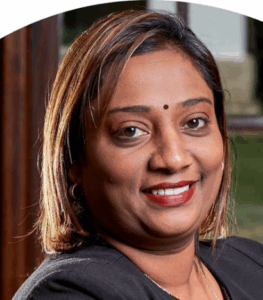
Mrs Nireshnee Reddy
Nireshnee is a registered dietitian with a special interest in public health nutrition, dietetics and nutrition advocacy and children’s rights. She completed a BSc. Dietetics degree (UKZN) in 2005 and Master’s in Medical Science (public health) in 2019 (UKZN) and has just over 18 years’ experience working in both the public health and nutrition industry sectors in the country. After serving as a nutrition liaison officer at the South African Sugar Association for 6 years, she joined the KZN Department of Health in 2013 where she currently serves as the Assistant Director Nutrition. Nireshnee has been the recipient of the ADSA Flora Award in 2010 for contribution to the dietetics profession; and The Wimpfheimer-Guggenheim Fund for International Exchange in Nutrition, Dietetics and Management in 2012. She is passionate about advocating for innovation and diversity in nutrition and dietetics with the objectives of improving nutrition outcomes in the community. She is also currently on the board of directors for the Pietermaritzburg Childrens’ Home in KZN. Nireshnee is serves on the executive committee for the Association of Dietetics in South Africa in the Public Sector Portfolio and is a registered member of the World Public Health Nutrition Association. Recent research activity includes being the principal investigators for the KZN Malnutrition and Breastfeeding Prevalence Study (MABS) 2023.
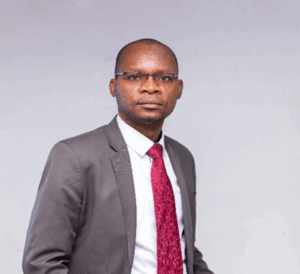
Mr Chikondi Jenala
Chikondi Jenala is the Director of Finance and Investments at the Malawi University of Business and Applied Sciences (MUBAS), with 14 years of experience in the management of finances of the University, including project grants. He is a chartered accountant with the Association of Chartered Certified Accountants (ACCA) and a graduate of the University of Malawi. He joined the University of Malawi in 2010 as an Accountant for Research and Consultancy Projects at Chancellor College which was a constituent college of the University of Malawi, and he rose through the ranks to the top of the Finance and Investments ladder. In the early years of employment, he led a team in designing and reorganizing the accounting and reporting structure for research and consultancy projects at Chancellor College and also in designing the accounting system of the Polytechnic to ensure efficiency and responsiveness of the Finance Section to the needs of stakeholders. In the reorganization of the MUBAS, he spearheaded the designing and implementing of financial systems and structures for the new University, MUBAS, to ensure that controls are in place and there is improved reliability of the reports that the financial system is producing.
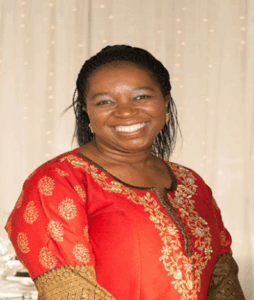
Prof Sinegugu Duma
Sinegugu Duma is a Full Professor in the Discipline of Nursing, College of Health Sciences, University of KwaZulu-Natal (UKZN), Durban, South Africa. She is currently a Dean of Teaching and learning, having joined UKZN in 2017. Her research focus is on improving the health outcomes for victims and survivors of sexual violence and prevention of gender-based violence in different settings. She translated her research findings towards the development of nurse-led clinical forensic nursing practice and was instrumental in the formal recognition of clinical forensic nursing as a nursing qualification by the South African Nursing Council. She was entered in the Hall of Fame for Research Excellence in Nursing in 2016 and was inducted as a Fellow in the Academy for Nursing for Nursing South Africa (ANSA), in recognition of her contribution to nursing research, nursing education and advancing nursing practice towards improving the health outcomes of the victims of sexual violence and gender based violence in South Africa. She has published over sixty research articles in gender-based violence, health sciences education, and nursing practice in accredited national and international journals. She has also published peer reviewed book chapters on nursing practice, nursing education and clinical forensic nursing practice and has authored a number of research reports. She has successfully graduated thirty (30) postgraduate students across all disciplines in health sciences, including ten (10) PhD graduates. She is currently supervising twelve (12) PhD students across different disciplines in health sciences and is a mentor to 1 post-doctoral fellow and many emerging academics both at UKZN and other South African universities.

Prof Onisimo Mutanga
Onisimo Mutanga, is a Professor of Remote Sensing and South African Research Chair on Landuse Planning and Management. His expertise lies on resource modelling, pattern and condition analysis in the face of global and land use change. This includes the development of innovative remote sensing approaches for improved monitoring and management of various ecosystem traits. Focus areas includes vegetation mapping, Ecosystem services quantification, forest fragmentation, disaster risk assessment, rangeland quality and quantity monitoring as well as invasive species modelling, among others. He integrates Ecology, biodiversity conservation and Remote sensing to model environmental characteristics as an integral component of land use planning and management. Prof Mutanga is B-rated by the NRF and has published more than 300 journal articles, with more than 16000 citations and an H-index of 63. He has graduated 39 PhDs and 61 Masters. He is an Editor of some international journals, and sits in various national and international Boards.
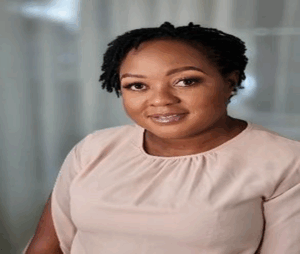
Dr Prosper Chopera
Prosper Chopera is a Senior Lecturer with the Department of Nutrition Dietetics and Food Science at the University of Zimbabwe and Chair of the Research Group Nutrition and Dietetics. She is a holder of an MSc and PhD in Public Health Nutrition from Wageningen University and Research, the Netherlands. She also holds a postgraduate certificate in Clinical Nutrition from Katholiek University Leuven, Belgium. Dr Chopera has more than two decades experience in the fields of micronutrients and health, food and nutrition security, and maternal and child nutrition, Indigenous food product development as well as policy. She participates in projects assessing micronutrient deficiency as well as evaluating effectiveness of agriculture, public health and nutrition interventions on improving selected nutrition outcomes as well as Indigenous food value chains. My role in the SHEFS-SA project will be to test scalable innovations that build resilience. improve food security and food safety of our communities threatened by climate change.
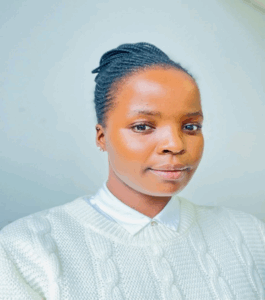
Dr Zabentungwa Hlongwane
Zabentungwa Hlongwane, a biology lecturer based at the University of KwaZulu-Natal Westville campus in Durban, holds a PhD in Ecological Sciences. Her academic interests primarily involve entomophagy and entomology. Her research on entomophagy, involves working closely with rural communities to explore indigenous knowledge related to entomophagy, investigate the nutritional advantages of consuming edible insects, and evaluate the role of these insects in improving rural livelihoods. Zabentungwa has mentored three honours students, and her current master's student conducts research that focuses on improving the nutritional content of food products through the incorporation of edible insect meal. Zabentungwa has attended over 15 national and international conferences. Furthermore, her research has been published in peer-reviewed journals.
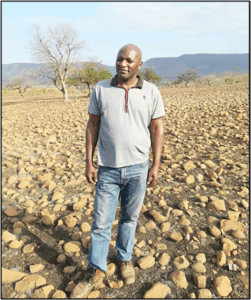
Dr Zivanai Tsvuura
Zivanai Tsvuura is a senior lecturer in the School of Life Sciences and teaches ecology, grassland/rangeland science and biostatistics. His research interests are in the broad field of the biological sciences, but his specialization is in plant ecology, with a research focus on functioning of natural forests, savannas and grasslands. Recent projects covered regeneration and restoration ecology of terrestrial ecosystems including management of invasive alien and native plants. Zivanai’s doctoral training was followed by two postdoctoral fellowships and a senior research fellowship at the University of Namibia in 2015, which was followed by appointment at UKZN. Zivanai’s involvement in mentorship of postgraduate students has resulted in the graduation of 18 MSc and two doctoral students. Other outputs include publication of more than 40 peer-reviewed scientific articles. Prior to studying for a PhD, Zivanai’s previous appointments were in Zimbabwe at the National Herbarium and Botanic Garden, the University of Zimbabwe and the Midlands State University.

Dr Zikhona Rani-Kamwendo
Dr Zikhona Rani-Kamwendo is a researcher and a lecturer at the University of KwaZulu Natal under the discipline of Animal & Poultry Science in South Africa. She’s an animal scientist specializing in Meat Science and Animal Nutrition. Her main interest is on Meat Safety, Meat quality, food security, and animal feeding. Her research interest is to follow the production chain using the “Farm to Fork” concept, whereby the impact of the feed that is fed to animals is assessed from the production stage, transportation, point of slaughter, and marketing stage. This includes feeding both conventional and -non-conventional feeds and conducting research that seeks to assist rural communal farmers, as well as individuals from poor resource communities. Her goal is to become a scientist who will derive research methods that will improve farmer’s livelihoods, individuals from poor resource-based communities, and the industry at large. Currently, Zikhona is appointed to act as an Academic Co-ordinator in her Discipline where she holds the responsibility of ensuring that all the activities which are related to Teaching & Learning are attended to. So far, she has graduated a total of 35 Honours and 7 Masters students to completion who worked under her supervision and mentorship. A registered professional scientist in the field of Animal Science (SACNASP) and a member of the South African Society for Animal Sciences (SASAS) who also serves as an active member of the South African Society of Animal Scientists (SASAS Sub Scientific Committee representing UKZN (Animal Science). Based on her expertise, she has been nominated and has examined 14 MSc theses and PhD theses from different national institutions. In addition, she has attended several national and internal conferences. She has published peer-reviewed papers and a book chapter. She has received several grants and these grants have encouraged her to continue with research in Animal Production with added enthusiasm to train more postgraduate students and community engagement. A well-groomed and grounded researcher with moral work ethics, knowledge of both qualitative and quantitative research methods.
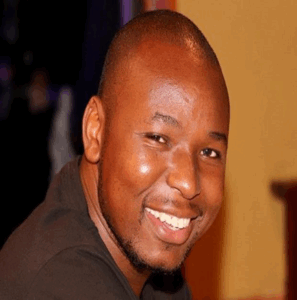
Dr Caswell Munyai
Caswell Munyai is a Senior Lecturer (2020 – current) in the School of Life Sciences at the University of KwaZulu-Natal since 2015. He is a dynamic and enthusiastic researcher who in the past nine years has published widely in his field and has supervised to completion over 20 MSc and PhD students. His research interest is on arthropod diversity patterns, their drivers and various ecosystem services they provide. He is a National Research Foundation rated scientist, an associate editor for three African Journals. His current research group is studying the response of selected Arthropod groups to land-use change, biocontrol of alien invasive weeds, and arthropod pest management in South Africa.He also has a keen interest on entomophagy in Africa.
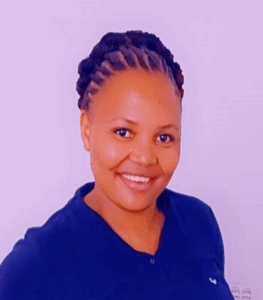
Dr Sindiso (Chamane) Nkuna
Sindiso is a lecturer at the University of KwaZulu-Natal in Grassland Science and Rangeland Ecology. Her research interests include forb ecology and multifunctional landscapes – how to best manage rangelands sustainably for biodiversity conservation, livestock production and other ecosystem services in the changing climate using scientific methods and indigenous knowledge. She is also interested in understanding the effect of key drivers in rangelands such as fire and grazing, and their interaction within grassland and savanna ecosystems to facilitate the management of communal, commercial and protected areas. She served as the chairperson of the scientific committee for the Grassland Society of Southern Africa (GSSA) from 2022 to 2024. She holds a PhD in Grassland Science (UKZN), an MSc in Grassland Science (UKZN in collaboration with Yale University), BSc Hons and BSc in Biological Sciences (UKZN).
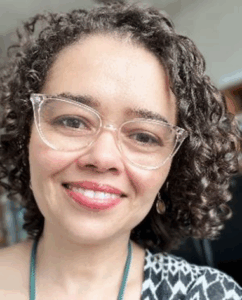
Ronel Bernadette Sorgenfrei, RD (SA)
Ronel Sorgenfrei is a Registered Dietitian working as an Assistant Director (Nutrition) in the KwaZulu-Natal Department of Health since 2011. She completed her B.Sc (Dietetics) degree from Stellenbosch University in 2001 and an ASELPH (Albertina Sisulu Executive Leadership in Public Health) Fellow (University of Pretoria). She is currently enrolled as a Master in Public Health Nutrition (Research) at Stellenbosch University investigating the role of human milk banking in neonatal health outcomes in KwaZulu-Natal Province. Her focus area includes policy development, implementation support and monitoring in infant feeding for the province, including human milk banking, the mother-baby friendly initiative and infant feeding in the context of HIV.

Prof. Anathi Magadlela
Prof. Anathi Magadlela (Sol Plaatje University) is a plant molecular biologist with a PhD from Stellenbosch University (2016). His research focuses on the functional and evolutionary aspects of plant-soil-microbe interactions during abiotic stress. Prof. Magadlela has successfully supervised 12 MSc and five PhD students. He has been awarded multiple research grants by the National Research Foundation, South Africa, a fellowship with the Department of Higher Education and Training (DHET) Future Professor Programme: Fellowship in Academic Excellence and Leadership (2023-2024) and was also awarded a Fulbright African Research Scholarship by the Council for International Exchange Scholars (CIES)/U.S. Department of State (2018-2019), at the University of West Virginia. Prof. Magadlela is a member of the South African Association of Botanists (SAAB) and the South African Council for Natural Scientific Professions (SACNASP).
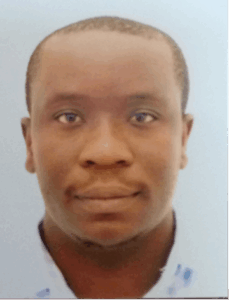
Dr Terence Darlington Mushore
Dr. Mushore is a Meteorologist/Climatologist highly experienced in short, medium and long range weather and climate forecasting. He is an experienced research scientist with excellent skills in research instruments designing, needs assessment, proposal writing, data analysis, remote sensing image processing, communication of findings, need-based product development and implementation of gap filling interventions. He possesses PhD in Environmental Science (University of KwaZulu-Natal, 2017), MSc in Geographical Information Systems and Earth Observations (ITC, Netherlands, 2012), Graduate Diploma in Meteorology (Meteorological Services Zimbabwe, 2008) and BSc Physics Degree (UZ, 2006). He is highly analytical as well as highly capable of handling qualitative and quantitative research procedures. Dr Mushore is an active consultant in the fields of research and product development, applied GIS and remote sensing, climate change, agro-meteorology and hydrometeorology. Currently, his research activities are focusing on climate (temperature, precipitation and air quality) and health.

Dr Mallika Sardeshpande
Mallika Sardeshpande is Scientist at Institute of Natural Resources University, South Africa. She works on multidisciplinary research and implementation in the environment-food-health nexus. Her work relates to urban ecology, greening, and restoration, indigenous and wild food spaces and foraging, food environments and food systems policy, and indigenous forestry. She engages with communities and policymakers to translate science into actionable impact on the ground. Key projects she is on are Sustainable and Healthy Food Systems, Durban Research Action Partnership, and Food Environments in Transitioning Economies. Mallika earned her Bachelor’s degree in Zoology from Fergusson College, India, and her Master’s degree in Conservation and Rural Development at the University of Kent in the United Kingdom. Mallika went on to earn her PhD in Environmental Science from Rhodes University, South Africa. She was recognized by the British Council and the University of Kent with the GREAT Scholar Award, and JN Tata Award for her outstanding scholastic achievement. She has been Postdoctoral Fellow at University of KwaZulu-Natal, South Africa, and continues to be Research Affiliate at the Ashoka Trust for Research in Ecology and the Environment, India, and Associate Editor at Cities and the Environment journal. Mallika's other interests include the outdoors and the arts.

Dr Maria Makwela
I come from a small town called Nylstroom (Modimolle) in Limpopo. I began my academic journey at Tshwane University of Technology (TUT) where I studied Crop Production in Agriculture majoring in crop protection. I later pursued my PhD in Entomology at the University of KwaZulu-Natal. Balancing motherhood and my career have been an ongoing but welcomed challenge. Outside of work, I enjoy being outside and listening to a good podcast.
Maria Makwela is an agricultural entomologist and a postdoctoral researcher specializing in biodiversity assessment, ecosystem functioning, and sustainable land management in agroecosystems and rangelands. She holds a PhD in Entomology from the University of KwaZulu-Natal, and her research focused on the functional dynamics of carabid beetles as indicators of agroecosystem stability and ecosystem services. Her expertise lies in soil biodiversity, conservation agriculture, ecological monitoring, and functional ecology. Her current research interests are increasingly merging ecosystem resilience, biological pest control, woody encroachment, and climate-smart rangeland management with an important focus on ecosystem services and policy dimensions of sustainable land-use systems. She also works on interdisciplinary research on biodiversity indicators and ecosystem resilience in semi-arid landscapes.
Supervisor: Rob Slotow and Caswell Munyai
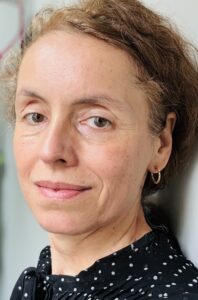
Prof Barbara Häsler
Barbara Häsler, Professor in Agrihealth, is a One Health researcher at the Royal Veterinary College (RVC) in London, UK, with expertise in animal health economics, evaluation, surveillance, and food systems. Her main area of interest is the integration of economic, social and epidemiological aspects in health challenges to provide solutions for better health for all. She has a primary degree in veterinary medicine, a dissertation in veterinary epidemiology, a PhD in animal health education, and certificates of higher education in economics and education. Barbara has managed and participated in various research projects with national and international partners (including SHEFS) and held several grants in the field of Agrihealth/One Health. Her research portfolio focuses predominantly on livestock and fish food system and how they can be changed taking into account multiple desirable outcomes including animal and public health, food safety, food and nutrition security and sustainability. Her educational responsibilities include programme and module design, coordination and delivery; management; delivery of lectures, exercises and seminars; feedback and assessment; supervision, coaching and tutoring related mainly to interdisciplinary food systems teaching, veterinary public health, and economics of One Health at various levels. She also works as a consultant for the Food and Agriculture Organisation of the United Nations (FAO) as a One Health Science and Evidence lead
Researchers and Postdoctoral Fellows
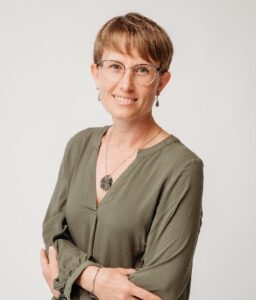
Dr Michelle North
Michelle North is a veterinarian with a strong interest in ecosystem health, ‘One Health’, toxicology, and multi/interdisciplinary problem solving. After completing her veterinary studies at the University of Pretoria, South Africa, she completed a PhD at the University of Calgary, Canada, that evaluated the use of wild birds as sentinels for health effects of urban air pollution. More recently, her postdoctoral research at the University of KwaZulu-Natal, South Africa, which dealt with issues of climate change adaptation, equity in research and publishing, and the use of systematic literature reviews and assessments, highlighted the importance of considering the human/social dimensions of major ‘wicked’ problems when searching for possible solutions. At the same time, her work as a contributing author for the sixth assessment of the Intergovernmental Panel on Climate Change (IPCC) revealed critical knowledge gaps in the interactions between climate change, human and animal health, particularly for Africa. Dr North would

Dr Kevin Queenan
Kevin Queenan is a One Health (OH) Systems Thinking veterinarian and agricultural scientist. Born and educated in South Africa, with a BSc Agriculture (Animal Science) (Pietermaritzburg) and BVSc (MRCVS) (OP), he spent over 20 years as a clinical veterinary surgeon in the UK, before completing the MSc OH (Infectious diseases) in 2014. Since then, he has been employed at the Royal Veterinary College (RVC) as a researcher working on various OH related projects in East and Southern Africa. These have included the impact of zoonotic diseases on livelihoods of Maasai pastoralists in Tanzania, antimicrobial (AM) use and resistance in livestock in Uganda, a OH approach to AM resistance surveillance, a review of methods and metrics for OH surveillance of AM usage, value chain analysis of village poultry systems in Tanzania and Zambia, Foot and Mouth Disease-free beef production at livestock-wildlife interface in Zimbabwe and Tanzania, and a systems approach for the evaluation of OH initiatives (Tanzania case study). Most recently, he completed a PhD part-time whist employed as a post-doc in SHEFS, applying a systems approach to explore the livestock-derived food system in South Africa to identify areas for policy change. Within the RVC, he delivers several sessions for the MSc OH course, focussing on systems thinking, systems modelling, and OH.
Dr Jennifer Wardle
Jennifer Wardle completed an interdisciplinary PhD in Environmental Science in 2021 which focused on the links between food security and access to energy in rural areas of sub-Saharan Africa. Using mixed-methods including social surveys, laboratory analyses and computer modelling, she assessed the potential of reduced-water anaerobic digestion systems to supply adequate household energy as biogas and the potential soil carbon accumulation from bioslurry. She also investigated the effects of anaerobic digestion on antibiotic resistance genes found in the cow dung substate. She is now a research fellow in the School of Biological Sciences at the University of Aberdeen, UK, where she has focused on multiple aspects of small-scale urban food production, from human wellbeing to the physical and chemical properties of soils, linking them to tenant management practices. Her current interests lie in sustainable food production and the impacts of food processing on the environment and human health. Jennifer is a member of the school’s ethical review committee and co-organises events themed around environment, health and food systems to promote interdisciplinary networking across the university’s schools. She also has a background in horticultural work and human wellbeing.
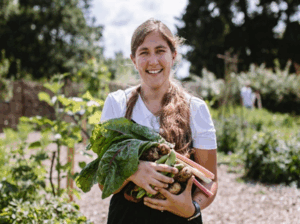
Dr Abbie Chapman
Abbie Chapman is a Postdoctoral Research Fellow in Sustainable Food Systems at University College London in the UK. She is a member of Dr Carole Dalin's Sustainable Food Systems Research Group. Abbie has a mixed background in Geography, Oceanography, and Ecology. Abbie uses her cross-disciplinary skills to quantify trade-offs between people and nature, particularly how people are using the land (and seas) and the impacts of this on biodiversity, local people, and resource availability. Abbie has worked on two interdisciplinary projects investigating trade-offs between food, environment, and socioeconomics in African countries (SENTINEL and SHEFS). For the SENTINEL project, Abbie evaluated the impacts of domestically consumed and traded crops on biodiversity across Ghana, Ethiopia, and Zambia using a new measure of trade-off risk. For the SHEFS project, she and other SHEFS team members quantified the biodiversity pressures associated with the consumption of fruits and vegetables in South Africa, India, and the UK. Abbie has used spatial analysis and trait-based approaches for her PhD and postdoctoral research and is a regular user of GIS software (especially ArcMap) and R. She has given guest lectures for modules in UCL's Institute for Sustainable Resources, as well as contributing to policy briefs, POSTnotes, and other policy-related events. Abbie's publication list is available here: https://scholar.google.com/citations?user=qprn7eEAAAAJ&hl=en
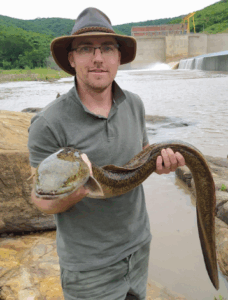
Dr Matthew Burnett
Dr Matthew Burnett is a Principal Scientist at the Institute of Natural Resources and Honorary Researcher at the University of KwaZulu-Natal. Dr Burnett has co-developed the Southern African Inland Fish Tracking Programme (FISHTRAC) and is now applying the programme to water resource management and the conservation of fish in South Africa. He has used technology to develop data collection and simulation of ecological datasets for dissemination to managers. This has included developing data processing and machine learning tools to interpret real-time data for managers. He is involved in river connectivity and restoration projects while using fish telemetry techniques to monitor the efficacy of fishways on instream barriers, removing redundant instream structures and restoring fish populations. He is involved in several social and ecological fishery research projects evaluating the inland fisheries potential of rivers and impoundments with a focus on the conservation of iconic and threatened native fish species and the impact of non-native fish species in the region. He is using environmental DNA (eDNA) to map biodiversity and detect alien invasive species in the river continuum. His focus on the functional diversity of freshwater fishes that provide ecosystem services to rural livelihoods is assisting with research towards the Water, Energy and Food Nexus. His vision is building capacity through education, bringing people to a deeper value of freshwater ecosystems that maintain their livelihoods, and providing scientific evidence to improve how these important ecosystems are managed and protected.
Dr Burnett obtained his PhD from the University of KwaZulu-Natal in 2019. He co-supervised five PhDs, 18 MSc and four Honours students and supervised eight third-year Work in Learning students. These include students across various disciplines, including engineering, computational sciences, and governance, while collaborating with institutions, and government and non-government organisations. He was the UKZN School of Life Sciences Postdoctoral representative. He has established collaborators and published with established researchers in Europe, North America, the United Kingdom, West, East and South-Central Africa. He has managed and /or led applied research since 2017 in aquatic research projects focusing on freshwater ecology, water resource management, rehabilitation, sustainable livelihoods, and telemetry. Government, non-governmental, and international funding organisations have contributed to funding his research. He is advisory to the Dam Removal Africa initiative to restore river connectivity.
Dr. Simphiwe Hlatshwayo
Dr. Simphiwe Hlatshwayo holds a PhD in food security. She is currently a postdoctoral researcher and ad hoc lecturer at the University of KwaZulu-Natal under the agricultural extension department. Her research interest lies both on food security and agricultural extension, where her research centers on vital aspects such as smallholder farmers' crop productivity, market participation, and the assessment of farmers' food security.
Dr Hillary Mugiyo
Dr. Hillary Mugiyo is an accomplished Agrometeorologist and Food Systems Specialist with over 15 years’ experience advancing climate resilience and sustainable agriculture across Southern Africa. He holds a PhD in Crop Science and is recognized for integrating climate services, early warning systems, and adaptation strategies to strengthen food and nutrition security.
Dr. Mugiyo has led and contributed to multi-country research and development projects with organizations such as the World Bank, African Union, and COMESA, focusing on capacity building, climate risk mapping, and value chain development for smallholder communities. His expertise spans crop and livestock modeling, geospatial analysis, and the co-development of tailored climate advisories for diverse stakeholders.
As a passionate advocate for sustainable and healthy food systems, Dr. Mugiyo is committed to fostering innovation, empowering communities, and supporting policy transformation for a more food-secure and climate-resilient Southern Africa.

Dr Wendy Geza
Wendy is a Policy Manager at the Lancet Countdown Africa Regional Centre, hosted at the Future Africa Campus of the University of Pretoria, South Africa. Her research and work span climate change and health, the food environment, food systems, and the water-energy-food nexus – consistently applying a policy lens to understand and address vulnerability, resilience, equity and inclusion within these complex, interconnected systems. Through this integrated approach, she aims to contribute to transdisciplinary research and development that supports capacity building, inclusion, and equity in water, food, environment, and health systems across the Global South.
Dr Nafiisa Sobratee-Fajurally
Nafiisa Sobratee-Fajurally is a sub-contractor at the Institute for Natural Resources for the Sustainable and Healthy Food Systems - Southern Africa (SHEFS-SA) project, and Honorary Research Fellow at the University of KwaZulu Natal (UKZN) in South Africa. Nafiisa’s work aims to re-think Monitoring, Evaluation & Learning (MEL) of complex sustainability-focused research projects that are coherent with the complex nature of the challenges facing the world today. Holder of a B.Sc. (Hons) Agriculture with Environmental Science, Nafiisa was awarded a doctoral degree in Bio-Resource Management from the University in Mauritius in 2011. She has subsequently completed several post-doctoral fellowships at the University of KwaZulu Natal over a period of nine years. As a boundary-spanning researcher, Nafiisa’s interests draw on the evolutionary dynamics of systems that provide transdisciplinary insights into the socio-technical conditions under which inclusive and sustainable landscape management can be achieved. To streamline this, she uses systems approaches (causal loop diagramming, the Viable System Model, etc) to co-design evidence-based intervention strategies against programmatic Theory of Change to improve MEL processes so as to better inform policymaking on sustainable diets, Water-Energy-Food nexus, science for People and Nature. Nafiisa was born in Mauritius and is bilingual (English and French). She now lives in England and her last assignment was as a fixed-term consultant for the International Water Management Institute (IWMI) on co-designing sustainable landscape management for West and Central Africa.

Dr Mendy Ndlovu
Mendy Ndlovu just finalized her PhD in agrometeorology. As a PhD candidate, Ndlovu focused on elements of Climate-Crop-Nutrition (and food security) modelling. Ndlovu is committed to equitable community development. Through her research, she hopes to inform policy, help inform necessary transformation towards food justice, sovereignty, and food and nutrition security, particularly in rural areas, in preparation for the challenges posed by climate change.
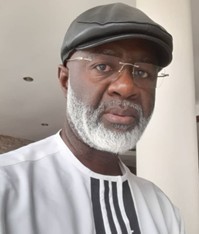
Dr Tamani Nkhono-Mvula
I was born and grew up in Lilongwe, Malawi. I did my undergraduate and graduate studies as follows: a Diploma in Rural Development and Bachelor of Agricultural Economics at the University of Malawi. I did my masters degrees in Development Studies and an MBA at the Universities of Sussex and East London respectively. I finished my PhD in Development Studies at the University of Malawi.
I am an institutional ecologist. I study how institutions interact with, and are shaped by, their socio-political, economic, and biophysical environments. At PhD, my research dwelt much on understanding how historically, the process of agrarian change has been as a result of changes in institutional formations. Currently, I study a lot on why policies succeed or fail. That is assessing governance systems and structures and also the general political economy of policy development and implementation. As part the SHEFS-SA, I am working as a post-doctoral fellow at MUBAS. Assessing policy formations in WEFEH nexus in Malawi.
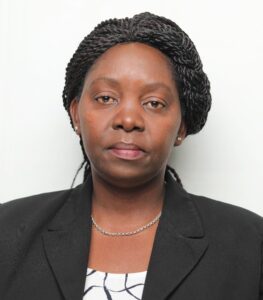
Dr Harriet Jenala Gausi
I am an animal scientist and food systems specialist with vast experience in livestock development, research, and leadership in Malawi. I am a certified Food Systems Leader through the Centre for African Leaders in Agriculture.
I did my BSc (in Agriculture) and MSc (in Animal Science) from the University of Malawi; and PhD from the University of New England, Australia, where I focused on improving local chicken productivity. I have served in government to coordinate livestock production programmes aimed at improving livestock productivity and food security; and contributed to multiple national and international research initiatives.
In SHEFS-SA, I will be conducting a study on: Mapping seasonal beef feed, water and productivity hotspots for climate-smart intervention targeting an integrated smallholder crop-Livestock-Fish systems in the Shire Valley, Malawi. I am excited about this study because I will gain new skills in using GIS and Remote sensing since it will be my first time to use these in a study. I will also learn from other people’s expertise because I will be collaborating with Specialists from different fields.

Dr Faith Kiarah Ndunya
Faith Kiarah Ndunya is a communications professional with a Bachelor of Arts in Communication and Cultural Studies, majoring in Public Relations, from the University of Malawi. She is passionate about strategic communication, development communication, and public relations, with experience supporting communication initiatives focused on research, sustainable development, and institutional visibility within academic and development-oriented environments. Faith is currently working as a Communications Specialist at the Lilongwe University of Agriculture and Natural Resources (LUANAR) and as a Communications Intern for the Sustainable and Healthy Food Systems in Southern Africa (SHEFS-SA) Malawi team. Her work involves developing communication materials, supporting stakeholder engagement, content creation, and contributing to communication strategies for impactful development and research initiatives.
She is particularly interested in research communication and using strategic communication as a tool for social change, public engagement, and knowledge dissemination. Faith aspires to contribute to development and policy influence across Africa through effective communication.
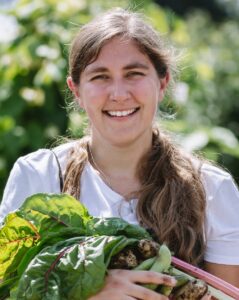
Dr Abbie Chapman
I am a UK-based researcher and did my undergraduate studies in Geography with Physical Oceanography, my Masters in Oceanography, and my PhD in Deep-Sea Ecology at the University of Southampton. As a result, I love a bit of mapping to find spatial patterns in data. Outside of work, I enjoy walking our dog, crocheting (including a variety of animals!), going to the beach, and doing a bit of gardening too.
I have worked at University College London since my PhD as a postdoctoral researcher, first on the cross-disciplinary Sentinel project, which investigated socioeconomic and environmental trade-offs associated with agricultural expansion in Ethiopia, Ghana, and Zambia. I then joined the Sustainable and Healthy Food Systems project to quantify the biodiversity pressures associated with fruit and vegetable consumption in the UK, South Africa, and India. Now, I am concentrating on freshwater fish for SHEFS-SA.
I am perhaps best described as a spatial ecologist. My work considers human and environmental impacts on biodiversity in terrestrial, freshwater, and marine environments, focusing on ways forward for sustainable and responsible development. My work is computational, involving mapping, coding, and modelling.
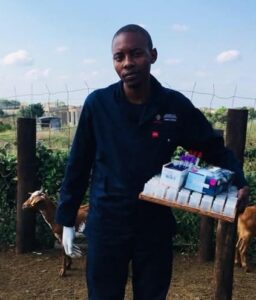
Dr Cresswell Mseleku
My name is Cresswell Mseleku I am from a village called Sweetwaters (current residence) in Pietermaritzburg. I am an early career researcher and I have just completed a PhD in Animal and Poultry Science (2024). I did my undergraduate studies at the University of KwaZulu-Natal Pietermaritzburg campus. On my spare time, I usually watch soccer or go fishing, but mostly I spend my time taking care of sheep and goats at home.
My research interest is on interdisciplinary and multidisciplinary research that consists of animal science, food security, and social science. I am currently working on manuscripts for publication. My supervisors for PhD were Prof. Michael Chimonyo (main), Prof. Rob Slotow, and Prof. Mjabuliseni Ngidi. My line manager is Prof. Mjabu Ngidi. I would like my research work to bring solutions and innovations that will influence policymakers and the government to create sustainable and healthy food systems.

Dr Anouk Reuzé
I am from Paris originally. I trained as a food engineer before moving into public health, where I completed a PhD in Nutritional Epidemiology at Université Sorbonne. I am currently a Research Fellow, working across the Planetary Health and Nutrition groups. I enjoy many different things, including long, meandering conversations (2–3pm is prime time for distraction) and running as a way to catch up. I also perform impressively poorly at pub quizzes.
My research focuses on the intersection of food systems, health, and sustainability, with a particular interest in sustainable diets, dietary behaviour change, and the environmental impacts of food systems. I seek to understand the complex social, economic, and environmental drivers that shape dietary patterns, moving beyond individual-level behaviours.
More recently, I have adopted a food systems perspective to explore how food systems influence health, sustainability, and equity outcomes. My work is primarily quantitative, drawing on large-scale dietary and food purchase datasets and interdisciplinary approaches to generate evidence that can inform policy and support the transition towards healthier and more sustainable food systems.
Supervisor: Pauline Scheelbeek
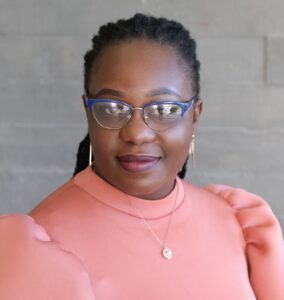
Dr Tanaka Mugabe
Dr. Tanaka Candida Mugabe is a distinguished Social Scientist specialising in Social Justice and Transformation, with significant expertise in the Maritime Sector and Higher Education. She has a foundation in Law with an LLB from the University of Fort Hare. Her current work is focused on addressing the pressing issue of climate change within the various Sector, using research to challenge homogenous practices by examining the complex relationships between the Environment, Culture, and Society. Dr. Mugabe’s research is deeply rooted in exploring climate justice, sustainability, and the transformative potential of these intersections. She has recently joined the University of Zimbabwe as a SHEFS-SA Post-doctoral fellow to support in the sustainable livelihood workstreams and Community of Practice.
Her scholarly contributions include authoring Chapter 16, "Poverty and unemployment," in ‘A reader on selected social phenomena’ (Seventh Edition, 2022, Van Schaik Publishers), where she examines socio-economic disparities in the context of South Africa. She has also contributed Chapter 10, "Just Adaptation and Climate Justice: Possibilities for youth development in rural South Africa," in “The Climate Crisis and Climate (in)Justice in Southern Africa” (2023, Taylor and Francis, Routledge), highlighting pathways for climate justice and youth empowerment in rural communities.
In addition to her research, Dr. Mugabe is committed to mentoring postgraduate students and teaching, in order to foster critical thinking and action-oriented solutions in the areas of climate change, social justice, and sustainable development.
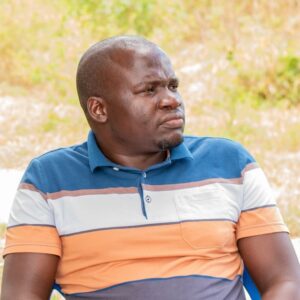
Dr Cuthbert Taguta
I did my undergraduate studies in agricultural engineering at the University of Zimbabwe; my MSc in Water at the Pan African University Institute of Water and Energy Sciences (including Climate Change) [PAUWES, Algeria]; and my PhD in agricultural engineering at the University of KwaZulu-Natal.
I aspire to be a systems integrator who contributes to addressing interconnected societal challenges by developing integrated solutions that multiply gains for people, the planet, and prosperity. My particular interest is in water and energy management for agricultural production.
My track record includes, among others, using integrated approaches to understand complex human-nature systems, developing and applying integrated nexus analytic tools, co-developing publications on integrated resource management, and capacity building for the water-energy-food (WEF) nexus in different programs and platforms.
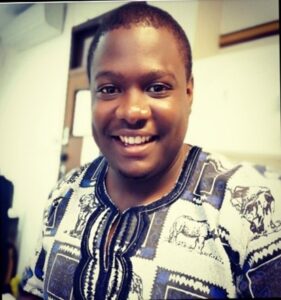
Dr Bright mukwedeya
I am an early-career researcher specialising in food security, sustainable development, Water–Energy–Food (WEF) nexus governance, public health, and rural development policy. My work is grounded in systems thinking, emphasising the interconnectedness of food systems, health, climate change, natural resources, livelihoods, governance, and human well-being. I have experience in qualitative and quantitative research, project coordination, technical reporting, stakeholder engagement, and interdisciplinary collaboration. I am particularly interested in translating research into policy-relevant solutions that strengthen food security, promote inclusive rural development, support meaningful youth participation, and enhance the resilience of agricultural and food systems. Through interdisciplinary and evidence-based research, I contribute to advancing integrated policy and governance approaches for addressing complex development challenges in Africa.

Dr Laurencia Govender
Dr. L Govender is a registered dietitian and Senior Lecturer in the Discipline of Dietetics and Human Nutrition at the University of KwaZulu-Natal (UKZN). She holds a BSc Dietetics, PgDip Dietetics, MSc Dietetics (summa cum laude), and PhD Dietetics, all conferred by UKZN.
Her academic responsibilities include teaching and supervising undergraduate and postgraduate students. Prior to joining UKZN, Dr. Govender served as a Clinical Dietitian at Harry Gwala Regional Hospital (Department of Health) and was an accredited training dietitian for UKZN's final-year dietetics students for six years.
Dr. Govender's research focuses on food-based interventions addressing the dual burden of over- and undernutrition, particularly among rural populations in KwaZulu-Natal. She has disseminated her findings at local and international conferences. Her research interests encompass:
· Public health nutrition
· Infant and young child feeding
· Clinical and community nutrition
· Food security
· Leveraging underutilised crops to combat malnutrition
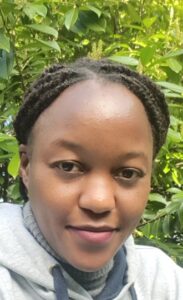
Dr Beaula Mutonhodza
I am very much a “what you see is what you get” kind of person. I am passionate about public health nutrition, an interest that has grown and evolved from high school through to my PhD. Taking different forms along the way, and spanning different fields of work across the food industry, the humanitarian sector, and now academia. I enjoy learning, sharing knowledge, and putting ideas into practice.
I am interested in the links between climate change, nutrition, and food systems, and in how evidence can better inform policy and practice. I focus on climate-sensitive nutrition mapping and diet optimization for sustainable, healthy diets, while working to strengthen the use of data in decision-making.
I am keen on maternal and child nutrition and am passionate about advancing climate-resilient approaches and supporting evidence-based public health policy.
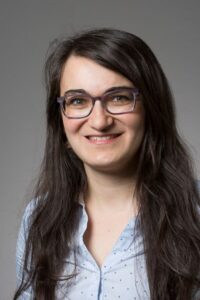
Dr Silva Ceausu
I am a Research Fellow in the Centre for Biodiversity and Environment Research at University College London. My research interests revolve around the question of how human activity impacts and benefits from biodiversity. I did my PhD on systematic conservation planning and ecosystem service mapping at the German Centre for Integrative Biodiversity Research (iDiv) in Leipzig. I have also been interested in using the concepts of ecosystem services and disservices to understand conservation challenges such as human-wildlife coexistence. Most recently, I worked on modelling the biodiversity impact of agricultural intensification and expansion. Within SHEFS-SA, I am interested in how climate change could impact pollination, which is an ecosystem service important for food production and nutrition. In addition, I am interested in quantifying the extent to which ecosystem services providing local benefits are covered by the current protected areas network in South Africa.
Doctoral Candidates and Research Assistants
Student/Researcher name | Supervisor name | Supervisor email | Group/Funding | Level |
| Akhona Sphelele Dlamini | Prof. Maxwell Mudhara | Mudhara@ukzn.ac.za | WEF | MSc |
| Alice David Gomezulu | Maxwell Mudhara | Mudhara@ukzn.ac.za | FETE | PhD |
| Angel Ndlovu | Prof. Mjabuliseni Ngidi | ojotemitope70@yahoo.com | WEF | PhD |
| Bahle Ngcongo | Sindiso Chamane | chamane@ukzn.ac.za | SHEFS-SA | PhD |
| Celuxolo Dlamini | Onisimo Mutanga | mutangao@ukzn.ac.za | SHEFS-SA | PhD |
| Chong Xin Xuan (Andrea) | Festo Massawe | festo.massawe@nottingham.edu.my | FETE | PhD |
| Cresswell Mseleku | Mjabuliseni Ngidi | ngidim@ukzn.ac.za | SHEFS-SA | PhD |
| Daryl Tsvangirai | Maud Muchuweti | maud.muchuweti@gmail.com | SHEFS-SA | PhD |
| Day Boitumelo Mohlala | Aidan Senzanje | senzanjea@ukzn.ac.za | WEF | PhD |
| Elina Stanely Muhomba | Festo Massawe | festo.massawe@nottingham.edu.my | FETE | PhD |
| Emmanuel Stambuli | SHEFS-SA | PhD | ||
| Faith Mukoko | Maud Muchuweti | maud.muchuweti@gmail.com | SHEFS-SA | PhD |
| German Makwela | Prof. Maxwell Mudhara | Mudhara@ukzn.ac.za | WEF | MSc |
| Herbert Chikafu | Andrew Tomita | tomita@ukzn.ac.za | SHEFS-SA | PhD |
| Innocent Bob Kondwani | M.M.Limuwa | SHEFS-SA | PhD | |
| Jenny Maria Gryzelius | Festo Massawe | festo.massawe@nottingham.edu.my | FETE | PhD |
| Johnny Owusu-Arthur | Rose Omari | romari@csir-stepri.org | FETE | PhD |
| Joyce Mlay | Andrew Tomita | tomita@ukzn.ac.za | SHEFS-SA | PhD |
| Khumbo Mhango | SHEFS-SA | PhD | ||
| Koh Su Yuan (Su) | Festo Massawe | festo.massawe@nottingham.edu.my | FETE | PhD |
| Lethukuthula Nyembe | Maxwell Mudhara | Mudhara@ukzn.ac.za | WEF | PhD |
| Lindelwa Duma | Prof. Maxwell Mudhara | Mudhara@ukzn.ac.za | WEF | MSc |
| Lwandile Ngozi | Matthew Burnett | burnettm@ukzn.ac.za | SHEFS-SA | PhD |
| Marilyn Asiedu Sefa | Rose Omari | romari@csir-stepri.org | FETE | PhD |
| Martha Teshome | Pauline Scheelbeeek | Pauline.Scheelbeek@lshtm.ac.uk | SHEFS-SA | PhD |
| Mitchelle Njukuya | Prof. Maxwell Mudhara | Mudhara@ukzn.ac.za | WEF | PhD |
| Nosipho Dlamini | Aidan Senzanje | senzanjea@ukzn.ac.za | WEF | PhD |
| Ntandokayise Makhathini | Matthew Burnett | burnettm@ukzn.ac.za | SHEFS-SA | PhD |
| Panashe Chipumha | Maud Muchuweti | maud.muchuweti@gmail.com | SHEFS-SA | PhD |
| Rhoda Sheena Gangire | SHEFS-SA | PhD | ||
| Sabbastian Muziri | Maud Muchuweti | maud.muchuweti@gmail.com | SHEFS-SA | PhD |
| Scott David Hastie | Festo Massawe | festo.massawe@nottingham.edu.my | FETE | PhD |
| Shelter Mangwanya | Maxwell Mudhara | Mudhara@ukzn.ac.za | WEF | PhD |
| Sibongile Buthelizi | Catherine Sutherland | sutherlandc@ukzn.ac.za | SHEFS-SA | PhD |
| Sindiswa Zondo | Nolwazi (Zabentungwa Thakasile Hlongwane) | hlongwanez@ukzn.ac.za | SHEFS-SA | PhD |
| Sinenhlanhla Mntambo | Caswell Munyai | munyaic2@ukzn.ac.za | SHEFS-SA | PhD |
| Sinethemba Z Khumalo | Prof. Maxwell Mudhara | Mudhara@ukzn.ac.za | WEF | MSc |
| Sinethemba Z Ndwalane | Prof. Maxwell Mudhara | Mudhara@ukzn.ac.za | WEF | PhD |
| Snethemba Ndlovu | Onisimo Mutanga | mutangao@ukzn.ac.za | SHEFS-SA | PhD |
| Sonford Chigondo | Maud Muchuweti | maud.muchuweti@gmail.com | SHEFS-SA | PhD |
| Teng Kang Ni (Connie) | Festo Massawe | festo.massawe@nottingham.edu.my | FETE | PhD |
| Thando Tenza | Mjabuliseni Ngidi | ngidim@ukzn.ac.za | SHEFS-SA | PhD |
| Thembalinye Chonco | Caswell Munyai | munyaic2@ukzn.ac.za | SHEFS-SA | PhD |
| Theresia Francis Assenga | Maxwell Mudhara | Mudhara@ukzn.ac.za | FETE | PhD |
| Tumaini John Wambua | Prof. Tafadzwa Mabhaudhi | mabhaudhi@ukzn.ac.za | WEF | PhD |
| Zanele Lulane | Dr. Ashiel Jumman | JummanA@ukzn.ac.za | WEF | PhD |
| Zodidi Cebiso | Maxwell Mudhara | Mudhara@ukzn.ac.za | FETE | PhD |
| Zoleka Sithole | Prof. Mjabuliseni Ngidi | Siwelam@ukzn.ac.za | WEF | PhD |