

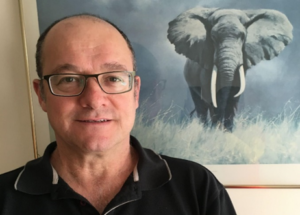
Prof Rob Slotow
Rob Slotow is Professor at University of Kwazulu-Natal, South Africa, and Honorary Professor at University College London. Rob focuses on applied research that can be translated into practical solutions, working on conservation of large mammals, biogeography of invertebrates, land-use planning for environmental sustainability, and environmental contribution to achieving SDGs. He leads large, transdisciplinary projects, including the Durban Research Action Partnership, with Ethekwini Municipality (DRAP), and the Wellcome funded Sustainable and Healthy Food Systems – Southern Africa (SHEFS-SA). DRAP undertakes co-developed, co-implemented work to enhance sustainable environmental decision-making and development decisions in the face of climate change. SHEFS-SA addresses climate change and health, and examines the agriculture, environment, poverty and health nexus, at the regional, national, and local level (focusing on resource poor communities in the rural, per-urban, and informal urban settings). After obtaining his PhD in California, and several Post-Doctoral Fellowships, Rob joined the University of Natal as a lecturer in 1996. He was promoted to Full Professor in 2007, and is a Fellow of UKZN, and a member of ASSaF. He served on the UKZN executive for 8 years. He has served on a number of Ministerial Panels, and assists government at National, Provincial and Municipal level. Rob is the Oppenheimer Fellow in Functional Biodiversity, to catalyse socio-ecological research and mentor emerging researchers. Rob is co-chair of the IUCN-SSC African Elephant Specialist Group. Rob has graduated 40 Masters and 27 PhD students, and published over 300 peer reviewed papers and book chapters.
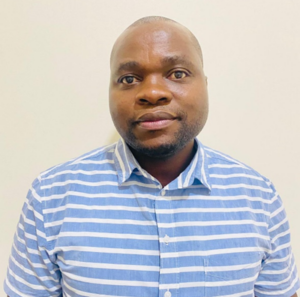
Prof Mjabuliseni Ngidi
Mjabu Ngidi is a Food and Nutrition Security expert. Mjabu serves as an Associate Professor at the University of KwaZulu-Natal, teaching and supervising across the disciplines of Agricultural Extension, and food and nutrition security. Mjabu also currently serves as the Academic Manager of the Sustainable and Healthy Food Systems Southern Africa (SHEFS-SA) programme. After finishing his PhD, Mjabu went to do his post-doctoral studies at the University of Pretoria’s Institute for Food, Nutrition and Wellbeing. Mjabu holds an MSc-Agric degree and also a degree in Microbiology and Biochemistry from the University of KwaZulu-Natal.
Mjabu is committed to being engaged in research that brings solutions to real-life challenges. His current work examines how impoverished populations mitigate hunger and starvation while analyzing existing food and nutrition security policies and their impact on Diets and health outcomes. This research supports South Africa's strategic investments in agriculture, food and nutrition security, and Sustainable Development Goals initiatives, including agricultural extension, poverty reduction, hunger alleviation, and production systems improvement.
His research focuses on household resource economics, rural development, youth in agriculture, food environments, food and nutrition security, household consumption, consumption and income shock coping strategies, livelihoods, food policy, food systems and climate change’s resilience strategies. Mjabu has also developed interest in livestock, fisheries and their contribution to health, food and nutrition securtiy outcomes.
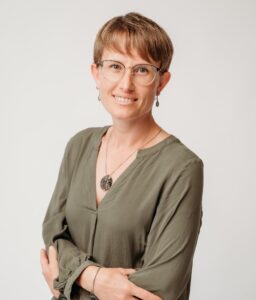
Dr Michelle North
Michelle North is a veterinarian with a strong interest in ecosystem health, ‘One Health’, toxicology, and multi/interdisciplinary problem solving. After completing her veterinary studies at the University of Pretoria, South Africa, she completed a PhD at the University of Calgary, Canada, that evaluated the use of wild birds as sentinels for health effects of urban air pollution. More recently, her postdoctoral research at the University of KwaZulu-Natal, South Africa, which dealt with issues of climate change adaptation, equity in research and publishing, and the use of systematic literature reviews and assessments, highlighted the importance of considering the human/social dimensions of major ‘wicked’ problems when searching for possible solutions. At the same time, her work as a contributing author for the sixth assessment of the Intergovernmental Panel on Climate Change (IPCC) revealed critical knowledge gaps in the interactions between climate change, human and animal health, particularly for Africa. Dr North would like to apply her diverse experience to the exploration of these nexuses in her future research.

Dr Mendy Ndlovu
Mendy Ndlovu just finalized her PhD in agrometeorology. As a PhD candidate, Ndlovu focused on elements of Climate-Crop-Nutrition (and food security) modelling. Ndlovu is committed to equitable community development. Through her research, she hopes to inform policy, help inform necessary transformation towards food justice, sovereignty, and food and nutrition security, particularly in rural areas, in preparation for the challenges posed by climate change. Mendy is the coordinator and research team member of the Sustainable and Healthy Food Systems – Southern Africa (SHEFS-SA).

Mrs Sibongile Buthelezi
Sibongile's research explores access to nutritious food in rural and informal urban areas, focusing on the movement of people and food between these regions and the impact of circular migration on food consumption. Currently, Sibongile collaborates with various communities to strengthen climate resilience and promote the adoption of adaptation tools. Her key goal is to empower communities to integrate Indigenous knowledge and scientific approaches in responding to natural disasters
Sibingile’s research interest lies in the documentation of adaptation tools of different communities and their perceptions regarding climate resilience, what they do before, during and after disasters.